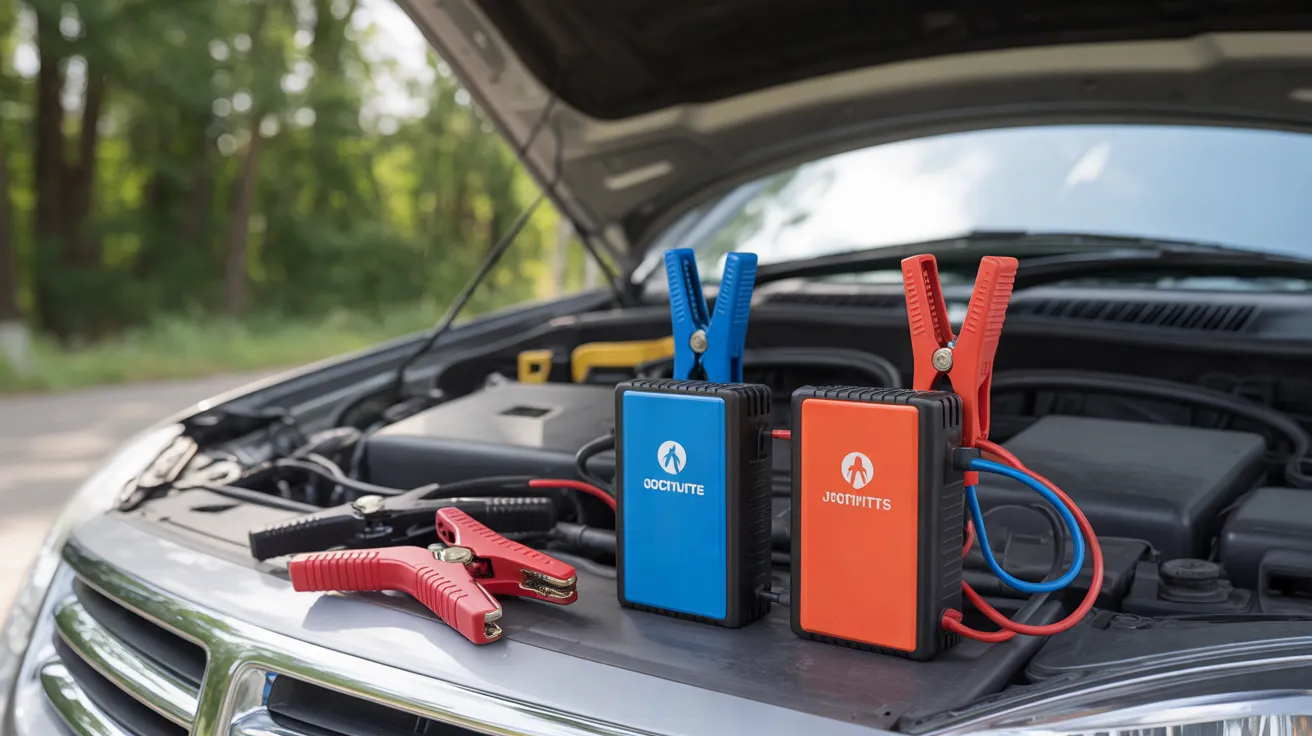
How we picked
We considered buyable jump battery starter models with clearly listed peak amps, battery capacity, clamp type, safety protections, size, weight, and current price. We prioritized products with support for common gas engines, compact designs, and included charging cables or storage cases readers can verify on product pages.
Tip: Match the starter’s peak amps to your engine size, and check the unit’s battery capacity if you also want to charge a phone or keep more reserve power.
Dead battery, cold morning, one click from the starter, and nothing else — that’s exactly why the 7 Best Jump Starters for Car Batteries in 2026 matter more than most drivers realize. A modern jump battery starter can revive a weak sedan battery in under 2 minutes, but the wrong unit can stall out on larger engines, overheat in winter, or lose charge after sitting in your trunk for three months.
That gap between “works once” and “works when you actually need it” is huge. If you’re comparing the 7 Best Jump Starters for Car Batteries in 2026, the real decision isn’t just peak amps — it’s whether the unit matches your engine size, climate, charging habits, and how often you expect to use it.
How we select products: Our team reviews products daily, analyzing customer ratings, pricing trends, discount history, and real buyer feedback to surface items that provide the best value.
Because the ranked list is already above this section, I’m not repeating it here. Instead, I’m focusing on the part that usually decides whether you buy the right jump starter car battery tool: what each type is best at, where buyers get burned, and how to choose a unit that still performs six months from now.
Which jump battery starter type actually fits your car and driving habits?
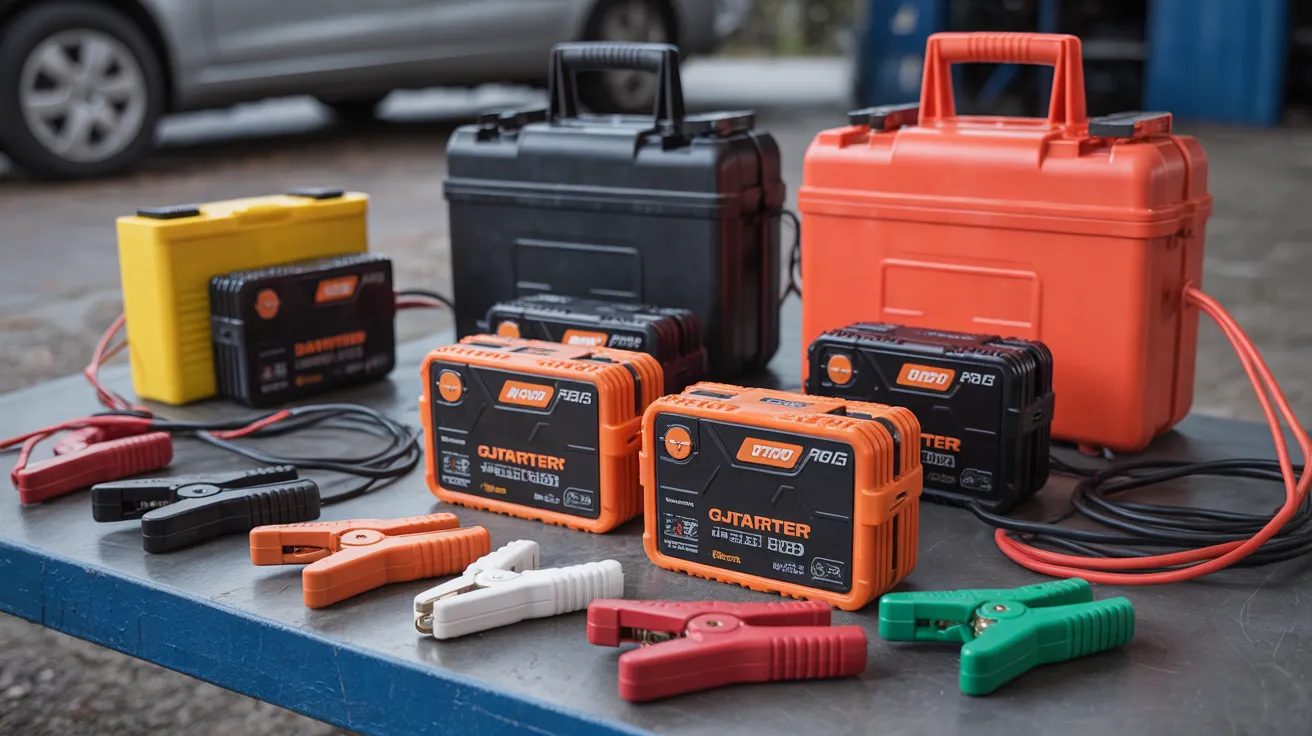
Not every vehicle battery jump starter is built for the same job. A compact 1000A-class model can be excellent for a small gas engine and glovebox storage, while a 4500A to 6000A class unit is usually a better fit for bigger SUVs, diesel trucks, or drivers who want extras like an inflator and work light.
Here’s the quick breakdown:
- Compact lithium units
- Best for: commuters, compact cars, midsize sedans
- Typical strength: easier storage, lighter weight, faster USB charging
- Watch for: lower reserve power in freezing weather
- Mid-power portable packs
- Best for: crossovers, family SUVs, occasional roadside use
- Typical strength: better balance of size and cranking power
- Watch for: slower recharge if they use older input ports
- High-output booster packs
- Best for: large gas engines, diesel applications, multi-vehicle households
- Typical strength: stronger cold-start confidence, often more protection features
- Watch for: bulkier cases and shorter real-world portability
If you want a jump starter for car battery emergencies in a daily driver, the sweet spot is often a lithium pack rated for standard 12V vehicles with enough output for at least a midsize SUV. For larger engines, the difference between “starts eventually” and “starts first try” usually comes down to reserve capacity, not marketing claims.
How do the 7 Best Jump Starters for Car Batteries in 2026 break down by real-world use case?
The easiest way to choose from the 7 Best Jump Starters for Car Batteries in 2026 is to ignore hype and match the product to your actual scenario.
Best for small cars and emergency trunk storage
The NOCO Boost GB40 12V 1000A UltraSafe Portable Lithium Jump Starter makes the most sense if you drive a smaller gas vehicle and want a portable lithium battery jump starter that’s easy to stash under a seat. Units in this class are usually the least annoying to carry, which matters because a safety tool you leave at home is useless.
This type of battery jump starter is ideal if your battery is aging but not completely dead every week. It’s also a solid choice for drivers who want basic USB backup power without hauling a brick-sized pack around.
Best for drivers who want a jump starter and tire inflator in one
The JOLTEKON Car Battery Jump Starter with Air Compressor 4500A 150PSI appeals to people who want one roadside tool instead of two. For many drivers, low tire pressure and battery trouble happen far more often than major mechanical failures, so combo units can be more practical than pure booster packs.
That said, combo models can be heavier. If your goal is a true battery car jump starter that disappears into a door compartment, an all-in-one unit may feel oversized.
Best for larger engines and frequent use
The Clore Automotive Jump-N-Carry JNC660 1700 Peak Amp 12 Volt Jump Starter is more old-school in form factor, but there’s a reason heavier booster packs still have loyal users. They’re often favored by people who value repeated starts and less dependence on remembering monthly top-offs.
If you’re helping multiple vehicles, or you’ve got a stubborn battery that drains often, this style of automotive battery jump starter can make more sense than a tiny lithium pack. You give up compactness, but you usually gain confidence on harder starts.
Best for high-output modern portability
The OXILAM Jump Starter 6000A and TREKURE 5000A class models target drivers who want strong output in a relatively travel-friendly design. This category suits larger gas engines, many SUVs, and buyers who don’t want to second-guess whether their jump starter battery is underpowered.
Meanwhile, BIUBLE’s 5000A class unit lands in a similar conversation: lots of advertised power, multi-function use, and a feature set built to compete in the premium-portable segment. The key question isn’t whether high numbers look impressive — it’s whether the pack keeps enough real charge after months in storage.
Best premium pick for bigger batteries and tougher climates
The NOCO Boost GB70 2000A UltraSafe Jump Starter is the clear premium-style choice in this lineup for users who want more overhead for larger engines or colder starts. Premium models tend to justify their higher range with better build quality, steadier performance, and more polished protection systems.
For drivers in winter states, this matters. Battery output can drop sharply in freezing temperatures, and a stronger battery starter jump setup can make the difference between a quick recovery and waiting for roadside assistance.
What should you look for before buying a jump starter for battery emergencies?
If you only compare peak amp numbers, you’ll miss the specs that matter most. Here are the five buying criteria that separate a dependable jump starter for battery issues from one that disappoints in the real world.
1. Match output to engine size, not marketing hype
For small four-cylinder gas cars, lower-output lithium units are often enough. For V6, V8, or diesel vehicles, especially in winter, it’s smarter to step up to a stronger battery jump starter car option with more reserve.
A good rule: buy one class above what you think you need. The weight penalty is usually small, but the cold-weather margin is worth it.
2. Check storage life and recharge interval
Some units hold charge well for 6 to 12 months, while others need more regular attention. If you know you’ll forget to top it off, don’t buy a model that only performs well when freshly charged.
This matters more than many buyers expect. A neglected battery for jump starter is one of the biggest reasons “good” products get angry 1-star reviews.
3. Prioritize clamp quality and safety protections
You want spark-proof clamps, reverse-polarity protection, overcharge protection, and clear connection indicators. These features are not fluff — they reduce the risk of user error during a stressful roadside moment.
Cheaper units often cut corners here. On a battery jump starter battery setup, flimsy clamps and vague status lights are major warning signs.
4. Think about where you’ll store it
Under-seat storage favors compact lithium packs. Garage use or truck-bed storage gives you more flexibility with bulkier designs.
If space is tight, even a powerful electric battery jump starter won’t help if it doesn’t fit in your normal carry setup. The best tool is the one you’ll actually keep in the vehicle.
5. Decide whether extras are useful or just add bulk
USB-C charging, LED floodlights, and air compressors can be genuinely useful. But if all you need is reliable emergency starting, extras can raise size and cost without improving the core function.
For example, a driver who already carries a tire inflator may be better served by a dedicated battery for car jump starter rather than a heavier combo unit.
Which price range makes the most sense for the 7 Best Jump Starters for Car Batteries in 2026?
You don’t always need the most expensive option. But there are clear value tiers in the 7 Best Jump Starters for Car Batteries in 2026, and each one serves a different buyer.
Entry range: best for compact cars and occasional use
At the lower end, you’ll typically get smaller lithium packs designed for four-cylinder and some six-cylinder vehicles. These can be excellent if your battery issues are rare and you mainly want a backup jump starter for car battery in the trunk.
The tradeoff is narrower cold-weather margin and fewer premium features. Think “insurance policy,” not workshop-grade tool.
Mid-range sweet spot: best overall value for most drivers
This is where most buyers should shop. Mid-range units usually offer the best balance of output, portability, safety features, and charging convenience.
If you drive a crossover, midsize SUV, or family sedan, this tier often delivers the strongest value per pound. It’s also where many users find the most practical battery jump starter for both daily use and road trips.
Premium range: worth it for larger engines or winter reliability
Premium units make sense if you drive a truck, live in cold climates, or don’t want to gamble with borderline output. They’re also a better fit if your vehicle sits for long periods and battery health is already questionable.
A stronger jump starter battery is often worth the jump in price if one tow call in your area costs as much as half the unit itself. That math gets persuasive fast.
What do user reviews usually reveal about battery jump starter problems?
Real-world complaints are surprisingly consistent across this category. The most common issue is not “it never worked” — it’s “it worked once, then didn’t hold a charge.”
Patterns worth watching:
- Units left uncharged for months
- Many failures trace back to neglected maintenance, not defective hardware.
- A battery jump starter should be checked every 2 to 3 months unless the manufacturer states a longer interval.
- Overstated performance on bigger engines
- Buyers often expect a compact unit to start a large truck battery in freezing weather.
- That’s where a heavier-duty vehicle battery jump starter usually earns its keep.
- Weak cables and clamps
- Short cables are annoying in cramped engine bays.
- Thin clamps can slip, especially on recessed battery terminals.
- Confusing displays
- Some packs don’t clearly show whether they’re at 25% or 75% charge.
- That’s a problem because a half-charged jump starter car battery pack may not deliver enough current under load.
💡 Did you know: Lead-acid car batteries can lose roughly 30% to 50% of their effective cranking power in very cold weather, which is exactly why winter exposes underpowered jump packs so quickly.
If you want broader battery-life reading, you’ll notice similar storage and degradation themes in discussions like Blogspot and Netlify. Different devices, same lesson: battery maintenance changes real-world performance more than most marketing pages admit.
How do you use a jump battery starter safely the first time?
A modern jump battery starter is easier to use than old jumper cables, but sequence still matters.
- Turn off the vehicle.
- Connect the red clamp to the positive terminal.
- Connect the black clamp to the recommended negative/ground point.
- Confirm the unit shows a safe connection.
- Start the vehicle.
- Disconnect in reverse order once the engine is running.
If the car doesn’t start within a couple of tries, stop and reassess. A severely damaged battery, corroded terminals, or a starter-motor issue can make even a strong battery car jump starter seem ineffective.
Pro tip: after a successful jump, drive for at least 20 to 30 minutes or use a proper charger. A jump start gets the car running; it does not fully recharge the battery.
Are combo units with compressors and USB ports actually worth it?
Sometimes yes, sometimes no. For a commuter who wants one glovebox-friendly emergency tool, a combo unit can be more useful than a plain jump starter for battery duty alone.
But if your top priority is maximum cranking reliability, dedicated jump starters still have the edge. Built-in compressors, flashlights, and ports add convenience, yet they also add complexity, weight, and more things that can drain the internal battery for jump starter over time.
If you like multi-use gadgets, you can compare how feature-focused buying decisions show up in other categories too, like techmoney177.blogspot.com or Theinternettoday. The same buying rule applies: extra features are only worth paying for if you’ll genuinely use them.
Where can you verify specs and avoid sketchy listings?
For any automotive battery jump starter, check the seller listing against the manufacturer page, then scan recent user photos and low-star reviews for clamp quality, display clarity, and real included accessories. A polished sales page doesn’t mean much if buyers keep posting dead-on-arrival complaints three months later.
You can also cross-reference battery and retail listing behavior through broader source trails like www.google.co.uk, check source, and http://bloggerhives.blogspot.com. They’re not product tests, but they do reinforce a basic truth: battery-powered devices live or die by charge retention, usage patterns, and honest spec reporting.
What’s the single best choice strategy from the 7 Best Jump Starters for Car Batteries in 2026?
If you remember one thing from the 7 Best Jump Starters for Car Batteries in 2026, make it this: buy for your largest realistic starting load, not your best-case scenario. A compact pack is fine for a small commuter car, but if you drive an SUV, park outside in winter, or keep vehicles sitting for weeks, move up one size class immediately.
That one decision matters more than any flashlight mode, USB port, or inflated amp claim. The best jump starter car battery pick is the model that still starts your vehicle after months in storage, in bad weather, without needing perfect conditions.
Frequently Asked Questions
how to use a jump starter for car battery without damaging the battery?
Connect the positive clamp first, then the negative clamp to the proper ground point, and make sure the pack confirms a safe connection before starting. Don’t crank repeatedly for long periods; if the car won’t start after a couple of attempts, the issue may be the battery, terminals, or starter rather than the jump pack.
what is the best jump battery starter size for an SUV?
For most SUVs, a mid-to-high output lithium pack is the safer choice, especially if you live in a cold climate. Buying one class above your minimum need gives you better reserve power, which matters more than headline peak numbers.
is a portable lithium battery jump starter worth buying?
Yes, for most drivers it’s worth it because it’s smaller, easier to store, and simpler to use than traditional jumper cables. It’s most valuable if you drive alone often, park in remote areas, or don’t want to depend on another vehicle for a jump.
how long does a battery jump starter hold a charge?
Many modern units can hold a usable charge for several months, and some stretch closer to 6 to 12 months under ideal storage conditions. In practice, checking and topping off your unit every 2 to 3 months is the safer habit.
can a jump starter battery charge a completely dead car battery?
A jump starter battery is designed to provide enough burst power to start the engine, not fully recharge a dead battery. If the battery is deeply discharged or damaged, the pack may not work at all until the battery is charged properly or replaced.
No comments yet