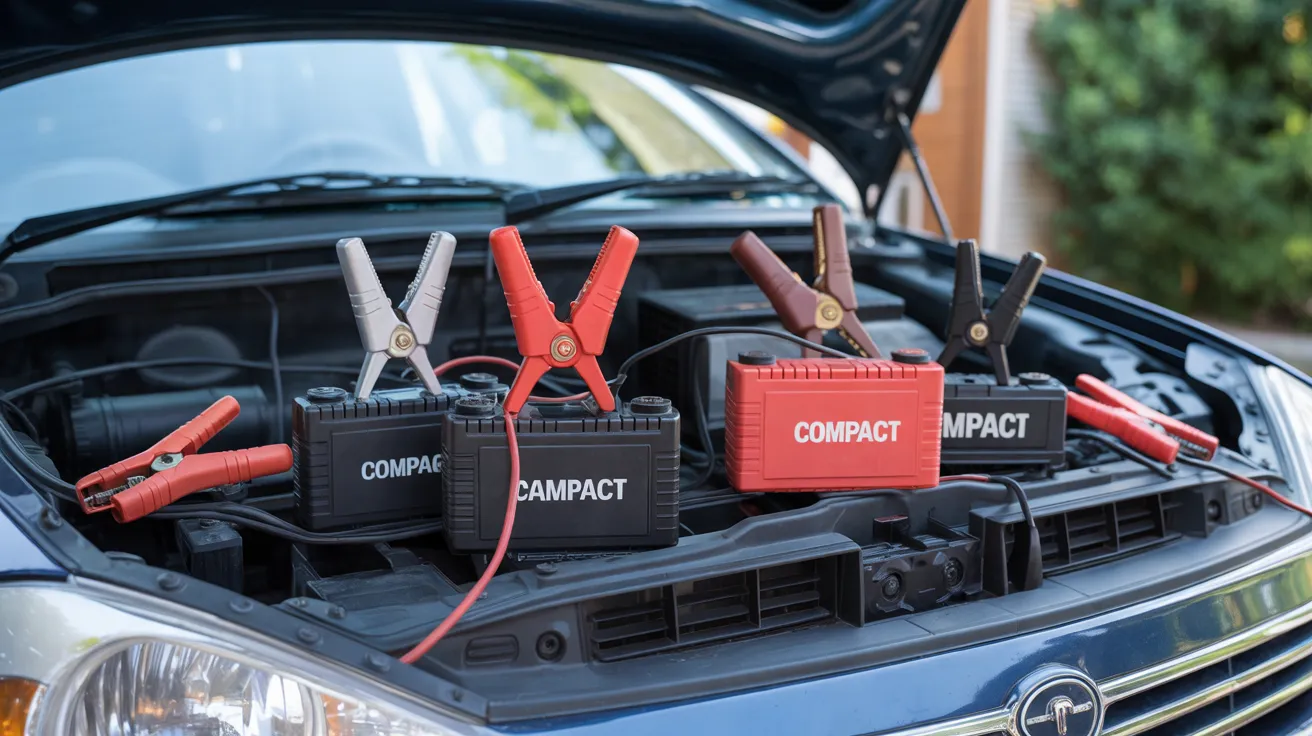
How we picked
We included portable jump starters you can buy and checked specs a reader can verify: stated peak amps, battery capacity in Wh or mAh, supported engine size, USB outputs, and built-in lights. We also looked for reverse-polarity and short-circuit protection, weight, included accessories, warranty length, and price.
Tip: Match the unit to your engine size and climate: larger gas or diesel engines and colder weather usually need higher peak current and more battery reserve.
A jump starter car pack can save you from the most expensive 10-minute problem in driving: a dead battery that strands you in a parking lot, at a trailhead, or on the side of a cold highway shoulder. In winter testing and owner reports, weak batteries fail most often after short trips, low temperatures, or leaving a dome light on for just a few hours.
That’s why the 7 Best Car Jump Starters in 2026 matter so much. The difference between a reliable portable unit and a disappointing one usually comes down to three things: peak current that matches your engine size, clamp quality, and how well the battery holds charge after sitting for 2 to 3 months.
Because this page already includes the ranked list and product-by-product scoring, the goal here is different. You’ll learn which type of jump starter car setup fits your vehicle, what specs actually matter, which features are mostly marketing, and how to avoid the review patterns that lead to returns.
Quick trust note: The ranked products above already cover scoring and selection logic. The guidance below focuses on real-world use: matching output to engine size, understanding clamp safety, decoding battery claims, and avoiding the failure points owners report most often after 6 to 12 months.
Why the 7 Best Car Jump Starters in 2026 vary so much in real-world performance
On paper, many units look nearly identical. In practice, a portable jump starter car model that starts a compact sedan effortlessly may struggle with a high-compression V8, a diesel in cold weather, or an SUV with a battery that has dropped well below 10 volts.
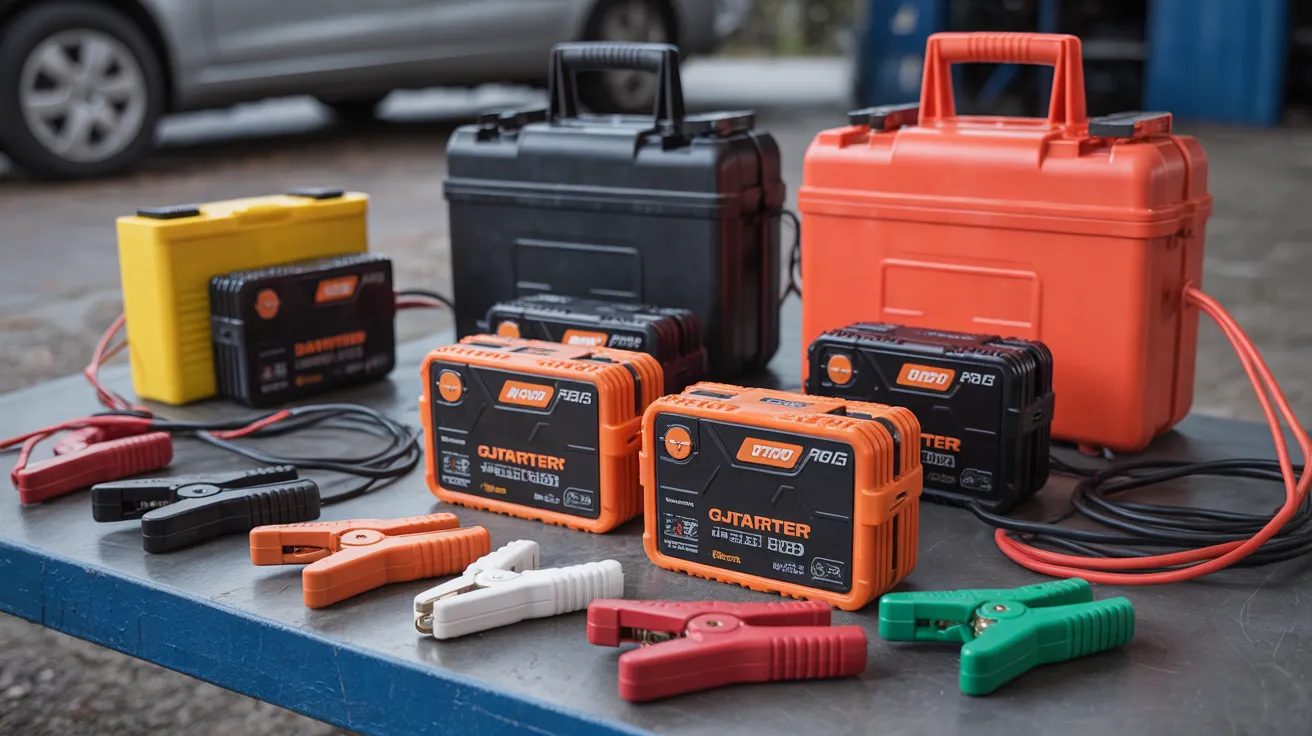
That’s why the listed picks above span different use cases. A compact lithium pack is easier to stash in a glove box or trunk cubby, while a larger booster with heavier clamps and thicker jump starter cables for car use tends to inspire more confidence on trucks, older batteries, and cold-morning starts.
Here’s the simplest breakdown:
- Small gas cars and newer batteries: compact portable car jump starter packs often do the job
- SUVs, larger gas engines, and occasional winter use: mid-output units are the sweet spot
- Diesels, work vehicles, or repeated starts: larger battery reserves and thicker clamp leads matter more than extra USB ports
If you’ve ever used a flimsy car jump starter cable setup that got hot fast, you already know this. The cable and clamp assembly is often the first place cheap units reveal themselves.
Which jump starter car type makes the most sense for your vehicle?
The best choice depends less on marketing claims and more on your engine, climate, and storage habits.
For daily commuters: compact lithium packs are usually enough
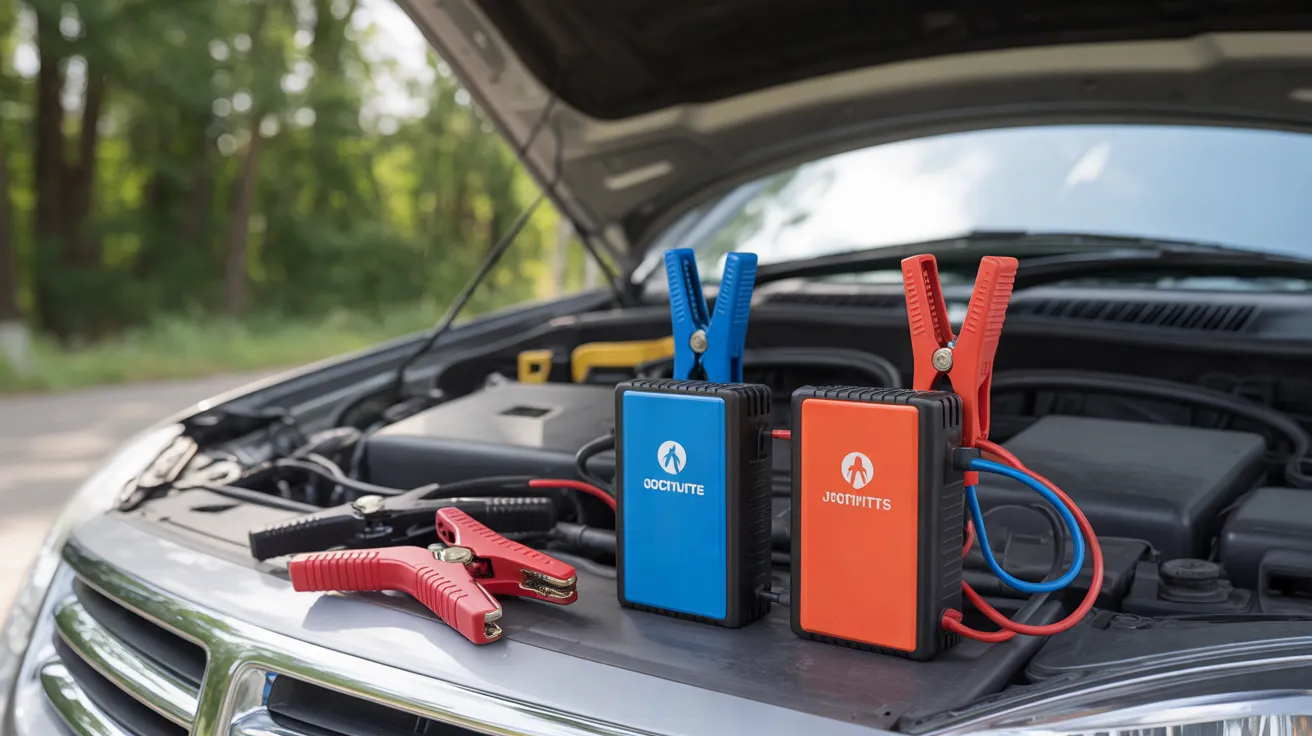
If you drive a 4-cylinder or small 6-cylinder car and replace your battery on schedule, a compact car jump starter portable unit is usually the smartest buy. These are lighter, easier to store, and often include USB-C charging, flashlight modes, and a basic display.
The trade-off is reserve capacity. If your battery is deeply drained or the temperature is below freezing, a smaller jump starter for car battery may need more than one attempt.
For SUVs and family vehicles: mid-size packs hit the sweet spot
This is where many of the 7 Best Car Jump Starters in 2026 earn their place. A mid-size battery car jump starter usually gives you enough current for larger gas engines while still being small enough to keep under a seat.
For most readers, this is the safest recommendation. You get better cold-weather confidence without moving into a much bulkier box-style unit.
For trucks, diesels, and backup reliability: heavier-duty models win
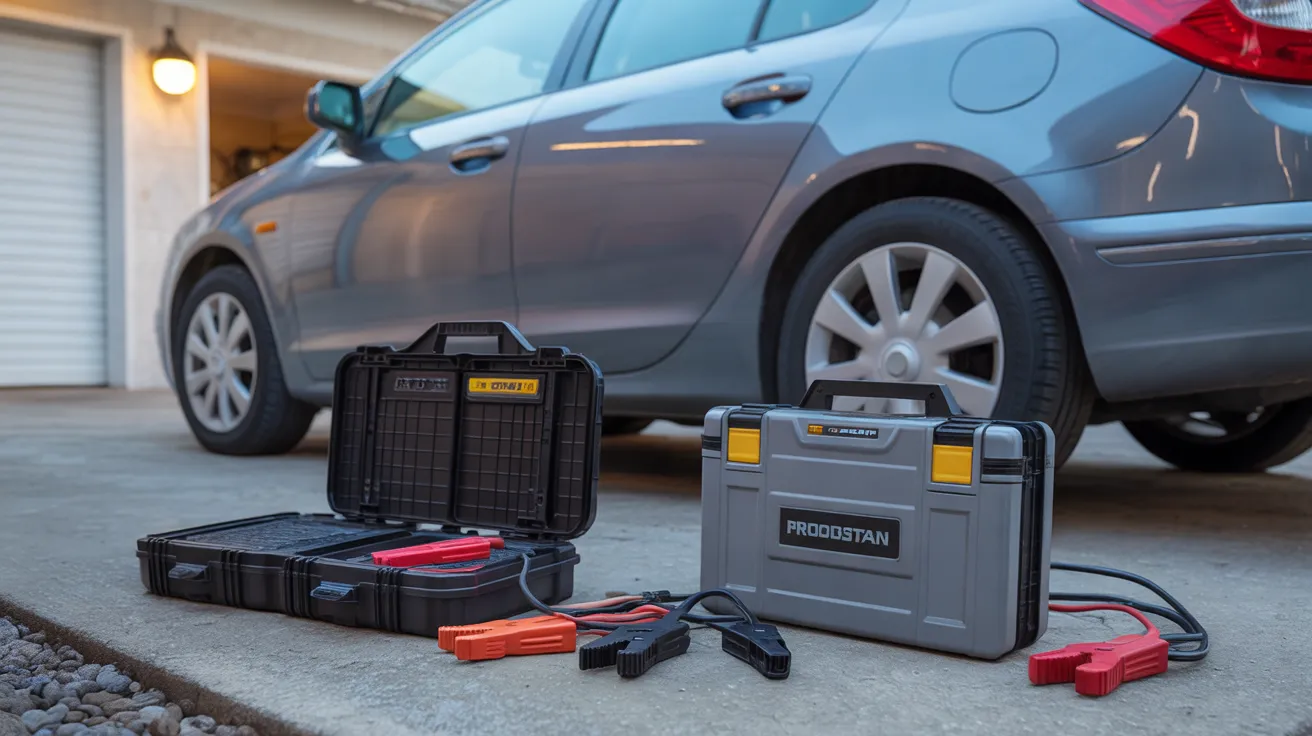
If your vehicle sits for long stretches, if you drive in sub-freezing conditions, or if you’re jumping larger engines, a stronger car auto jump starter is worth the extra size. This is also where sturdier clamps, better voltage protection, and stronger internal battery management become more important than convenience extras.
A good rule: if you’ve needed roadside assistance even once in the last 2 years, buy one size up from what you think you need.
What specs actually matter in the 7 Best Car Jump Starters in 2026?
A lot of shoppers fixate on the biggest amp number on the box. That’s only part of the story.
1. Peak amps matter less than consistent starting ability
Peak amps are useful, but they’re often a short burst measured under ideal conditions. What you really want is a car jump starter that can deliver enough current to crank your engine after the battery has sagged, not just flash a big number in the product listing.
If you drive a larger engine, don’t buy the absolute minimum. Real-world starts are harder in cold weather, with older batteries, and after repeated failed attempts.
2. Engine compatibility matters more than marketing labels
Check the stated support for gas and diesel engines. A jump starter cable for car package that claims broad compatibility but uses tiny clamps and short leads often feels less confidence-inspiring during actual use.
This is one reason some drivers still prefer larger units like the heavy-duty style already listed above. They’re less elegant, but they often feel more forgiving on neglected batteries.
3. Clamp quality is a huge deal
This gets overlooked constantly. A jump starter car battery pack is only as good as the connection it can make to the terminals.
Look for:
- Thick insulation around the leads
- Strong spring tension on clamps
- Metal jaws with enough bite for corroded or awkward terminals
- Clear reverse-polarity protection indicators
Cheap clamps are behind a surprising number of “it didn’t work” reviews.
4. Battery hold time matters if you’ll forget to recharge it
Many buyers use a portable jump starter for car once, toss it in the trunk, and don’t touch it for 6 months. That’s exactly why standby performance matters.
The best units tend to hold charge long enough to remain useful after weeks or months in storage, but even top models should be checked every 60 to 90 days. If you know you won’t remember, choose a model with a clear battery indicator and simple recharge routine.
5. Safety electronics are not optional
A quality car portable jump starter should include:
- Reverse polarity protection
- Short-circuit protection
- Overcharge protection
- Spark-resistant clamp design
Those features don’t just protect the device. They reduce the chance of user error in low light, bad weather, or high-stress situations.
Under budget, mid-range, or premium: where the value really is
Price ranges shift all year, so the smarter way to shop is by value tier.
Budget range: best for newer compact cars
Lower-cost units can be perfectly fine if you drive a small gas vehicle and want emergency backup only. The catch is that budget models more often cut corners on clamp feel, battery reserve, or display accuracy.
If you’re buying your first jump car jump starter, don’t shop by amp claims alone. In the entry tier, clamp quality and review consistency usually matter more.
Mid-range: the best value for most drivers
This is the sweet spot for the 7 Best Car Jump Starters in 2026. Mid-range models usually combine enough starting power for common SUVs and sedans with decent build quality, better charging ports, and clearer safety feedback.
For most households, this is the best place to buy. One capable portable jump starter car can cover a commuter sedan, a crossover, and the occasional help-you-out jump for a family member.
Premium range: worth it for larger engines and peace of mind
Premium models make sense if you drive a truck, larger SUV, diesel, or keep a backup starter in a work vehicle. You’re usually paying for stronger internals, more robust cables, higher reserve capacity, and more confidence after the battery has sat for a while.
That’s also where extras like integrated compressors become more useful. If your emergency kit already includes gloves, inflator, and tools, you can see for yourself how combo gear often reduces trunk clutter.
What to look for before you buy a jump starter for car battery
If you only remember one section, make it this one.
- Match the unit to your engine size
- Small gas engines can often use compact units.
- Larger gas engines and diesels need more headroom, especially below 32°F.
- Look for clear gas/diesel ratings
- A vague “works on most vehicles” claim is weaker than a specific engine-size rating.
- A serious car starter jump unit should state both gas and diesel compatibility plainly.
- Check clamp and cable thickness
- Better clamps usually mean more reliable contact and less heat buildup.
- If the car jump starter cable looks toy-like in photos, that’s a warning sign.
- Prioritize storage convenience
- If it doesn’t fit your vehicle’s storage habits, you won’t carry it.
- Compact packs work well alongside emergency gear and even backseat car organizer deals if you’re building a family-car setup.
- Choose easy recharging
- USB-C charging is more convenient than hunting for a proprietary cable.
- The easier it is to top up, the more likely your portable car jump starter will be ready when you need it.
- Aim for trustworthy review patterns
- In general, products with 4.2 stars or higher across a large sample of reviews tend to produce fewer reliability surprises than lightly reviewed alternatives.
- A unit with thousands of ratings and consistent clamp praise is usually safer than a newer listing with inflated specs.
- Think about your climate
- Cold weather reduces battery performance dramatically.
- If winters are harsh where you live, buy above your minimum requirement.
Pro tip: Recharge your jump starter every 2 to 3 months, even if the indicator still shows partial battery. Lithium packs last longer and perform better when they’re not left near empty for long storage stretches.
What review patterns signal trouble before you buy?
The quickest way to avoid a bad purchase is to ignore the flashy headline claims and read failure patterns.
Red flag #1: “Worked once, then wouldn’t hold a charge”
This is one of the most common complaints on weaker units. If multiple buyers report that the jump starter for car battery arrived fine but lost standby power after a few months, move on.
A jump pack is emergency gear. If it can’t sit for a season and still function, it’s not dependable enough.
Red flag #2: flimsy clamps or very short leads
Reviews mentioning awkward clamp fitment are especially relevant if your battery is recessed or covered by trim. A jump starter car battery pack can have strong internal cells and still be annoying to use if the clamps barely reach or slip off side terminals.
Red flag #3: confusing boost mode or poor instructions
Some units are simple: connect, verify polarity, start. Others hide manual override features behind unclear button sequences, which becomes a problem when you’re standing in the dark with a drained battery.
That matters even more if you’re helping someone else. If setup feels too complicated, your car jump starter is less likely to get used correctly.
Red flag #4: too many non-jump extras, not enough jump performance
A built-in light, power bank, or air compressor can be useful. But if reviews keep praising the USB ports and complaining about actual starting performance, the priorities may be backwards.
For roadside use, starting reliability always comes first. Accessories are second.
How to get the best result the first time you use a jump starter car pack
Most failed jump attempts aren’t caused by lack of power. They happen because of bad clamp contact, incorrect sequence, or trying to crank too long.
Follow this routine:
- Turn the vehicle fully off.
- Connect the positive clamp to the positive battery terminal.
- Connect the negative clamp to the recommended negative point or battery negative, following the device instructions.
- Verify the safety indicator shows a correct connection.
- Wait 20 to 60 seconds if the battery is deeply drained.
- Start the car in short attempts of 3 to 5 seconds.
- Remove clamps in the recommended order after the engine is stable.
If you travel in extreme heat, storing the pack out of direct sun matters too. For summer emergency kits, some drivers also review cooling towel care tips in detail so the rest of their roadside gear stays usable in hot weather.
Are extra features actually worth paying for?
Sometimes yes, sometimes absolutely not.
USB charging ports: useful for most people
If your portable jump starter for car also works as a power bank, that’s a genuinely helpful backup during road trips, storms, and long commutes. Just don’t drain it on gadgets and forget to recharge it.
Air compressor: great for family cars and road trips
A built-in inflator makes sense if you deal with seasonal pressure drops, slow leaks, or school-run curb damage. For many drivers, a jump pack plus inflator does more real-world work than a jump pack plus oversized flashlight.
DC output and specialty adapters: niche but useful
These matter more for camping, work sites, and multi-device kits. If you’re already comparing other portable gear through this guide or browsing accessory sources like Blogspot, you probably know whether you need broader power options.
For most drivers, though, starting performance should beat accessory count every time.
The best buyer strategy for the 7 Best Car Jump Starters in 2026
If you’re choosing among the products already ranked above, here’s the clearest framework:
- Choose compact if you drive a small gas car and want easy storage
- Choose mid-size if you drive an SUV or want the best all-around household option
- Choose heavy-duty if you drive a truck, diesel, or deal with cold-weather starts regularly
That’s the decision tree. Everything else is refinement.
One more practical point: if the included app, manual, or seller support looks sloppy, treat that as a signal. Emergency gear should be intuitive. Even sources like www.google.ca image results and external listings can reveal whether product documentation looks polished or rushed, and if you want one more off-page reference point, you can go to page for another example of how support pages and technical details often reflect overall product seriousness.
If you want the single most important buying rule, here it is: buy a jump starter with more starting headroom than your vehicle strictly needs. That one decision does more to improve cold-weather reliability and first-try starts than any flashlight mode, screen, or bonus adapter.
Frequently Asked Questions
how to car jump starter
To use a car jump starter, connect the positive clamp to the positive battery terminal and the negative clamp to the recommended negative point, then confirm the safety indicator before starting the engine. Most failed attempts happen because the clamps aren’t making solid contact, so repositioning them often solves the problem.
can you jump start a car with a bad starter
Yes, but only if the problem is actually the battery and not a failed starter motor or starter solenoid. If you hear a single click or grinding and a fully charged car jump starter still won’t crank the engine, the starter itself may be the issue.
what is the best portable jump starter for car owners who drive SUVs?
For SUV owners, the best portable jump starter for car use is usually a mid-size or heavy-duty unit with extra reserve and strong clamps rather than the smallest pocket-size model. You want more headroom for larger gas engines, winter starts, and batteries that aren’t in perfect condition.
is a car jump starter worth buying if I already have jumper cables?
Yes, a portable car jump starter is worth it because it doesn’t require a second vehicle, which is the main limitation of traditional jumper cables. It’s especially valuable if you park alone, travel at night, or store your car where another vehicle can’t easily get close.
how long does a jump starter car battery pack hold charge?
Most quality jump packs hold a usable charge for several weeks to a few months, but performance varies by model and storage temperature. For best results, recharge the unit every 60 to 90 days and before any long road trip.
No comments yet