How we picked
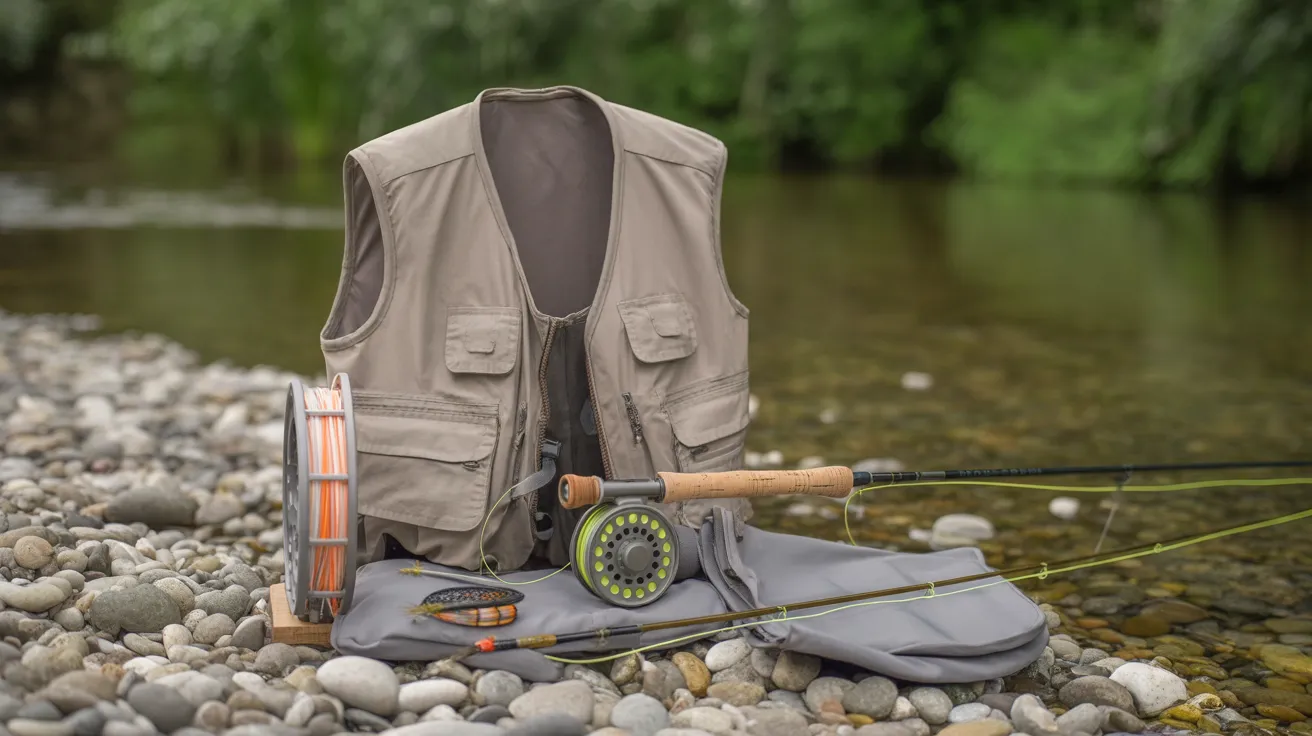
We selected buyable fly fishing gear across core categories such as rods, reels, lines, waders, packs, and tools. We compared listed materials, sizes and weights, included accessories, warranty terms, and current retail price so readers can verify each point.
Tip: Match your rod, reel, and line weight first; a balanced setup is easier to cast than mixing pieces chosen only by price.
Serious fly fishing gear mistakes usually show up in the first 20 minutes on the water, not in the checkout cart. You’ll notice them when your leader lands in a pile instead of a straight drift, your box doesn’t have the one size of nymph the fish are taking, or your pack turns into a wet jumble after one river crossing.
That’s why the 7 Best Fly Fishing Gear in 2026 isn’t really about buying more stuff. It’s about choosing the pieces that solve the biggest failure points for casting, line control, fly storage, knot tying, and staying mobile on trout water.
If you’re building a kit from scratch, upgrading beginning fly fishing gear, or tightening up a setup for creeks and tailwaters, this guide will help you match the right tool to the way you actually fish. You’ll also see what matters most for fly fishing gear for trout, what to skip, and which features make a visible difference once you’re standing knee-deep in current.
What makes the 7 Best Fly Fishing Gear in 2026 worth your attention?
The seven picks already listed on this page cover the core categories most anglers actually use: flies, a rod-and-reel combo, a tools kit, a starter setup, a vest, and a chest pack. That mix matters because most wasted money in gear for fly fishing comes from overbuying one category and neglecting another.
Here’s the short version: the best setup for most anglers is a 9-foot 5-weight combo, a practical fly assortment, one compact tool kit, and either a vest or chest pack based on how far you walk. For 70% of trout situations, that setup handles small streams, moderate rivers, indicator rigs, dry-dropper presentations, and light streamers well enough to fish all season.
The specific products above also fit two real-world patterns I’ve seen repeatedly: beginners do better with complete kits that remove compatibility guesswork, while returning anglers usually gain more from organization upgrades than from chasing a more technical rod.
Which of the 7 Best Fly Fishing Gear in 2026 is best for beginners?
If you want fly fishing gear for beginners, the easiest win is a complete rod-and-reel combo with a balanced line weight, pre-matched components, and a transport-friendly case. That’s exactly why starter combos remain the smartest entry point for fly fishing gear beginner searches and first-season buyers.
A beginner does not need six rod weights, specialized euro-nymphing lines, or a museum of fly patterns. You need a setup that casts cleanly at 25 to 40 feet, protects lighter tippet, and doesn’t punish small timing errors.
For most new anglers, the best path looks like this:
- Best overall starting point: a 9' 5wt combo
- Covers trout, panfish, and light bass duty
- Casts dry flies, nymphs, and small streamers
- Easier to learn on than ultra-fast specialty rods
- Best companion purchase: a mixed fly assortment
- Gives you dries, nymphs, and streamers in one box
- Reduces the chance you show up with the wrong profile
- Especially useful for beginner fly fishing gear
- Best utility add-on: a compact tools kit
- Nippers, forceps, and knot support solve problems every trip
- Saves time during re-rigs
- Makes fly fishing beginner gear feel much less frustrating
If you’re researching beginners fly fishing gear or fly fishing gear beginners, prioritize compatibility and ease of use over technical upgrades. A balanced beginner setup catches more fish than an advanced setup you can’t cast confidently.
How do you choose fly fishing gear for trout without overspending?
For trout fly fishing gear, think in terms of water type first. Brook trout in small mountain streams, stocked rainbows in a park river, and selective browns in a spring creek can all require different fly size ranges, but your base system usually stays simple.
A practical fly fishing gear trout setup should cover three jobs:
- Presentation
- A 4wt or 5wt is ideal for most trout anglers.
- A 5wt remains the most forgiving all-around choice for dry flies and nymphs.
- Storage
- You need one carry system that keeps fly boxes, tippet, floatant, and tools reachable with one hand.
- A chest pack usually works better than a vest in warm weather or when wading deeper than thigh level.
- Fly coverage
- Your box should include dries, nymphs, and streamers.
- On heavily fished water, size variation often matters more than pattern count.
For fly fishing gear for brook trout, lighter, lower-bulk setups make more sense. Brook trout water often means tighter casting lanes, overhanging branches, and shorter drifts, so a minimalist pack plus small-fly coverage beats carrying half your garage.
Meanwhile, if you’re mostly chasing stocked or river trout, a broader fly assortment becomes more useful than shaving every ounce. That’s where an all-purpose fly kit earns its place.
The 7 Best Fly Fishing Gear in 2026 by budget: what actually matters at each price level?
Most buyers don’t shop by abstract features. They shop by budget bands. And with fishing gear fly, the differences between entry-level, mid-range, and premium usually come down to durability, included accessories, and how much setup friction gets removed.
Best fly fishing gear under entry-level budget ranges
This is the sweet spot for beginning fly fishing gear if you’re not sure how often you’ll fish.
What you should expect:
- A basic combo that’s ready quickly
- A starter fly box with broad pattern coverage
- Essential tools, not premium materials
- Adequate performance for weekend trout trips
Who this tier fits:
- First-time anglers
- Kids and teens moving beyond spincast gear
- Travelers who want a backup setup
- Anyone buying fly fishing gear near me and comparing local starter kits to online bundles
The tradeoff is usually refinement. Entry-level kits often cast fine at common trout distances but feel less crisp beyond 40 feet and may include accessories you’ll eventually replace first, such as entry-grade line or a thin fly box latch.
The mid-range sweet spot for fishing fly gear
This is where value gets noticeably better. Mid-range kits and accessories usually give you stronger hardware, better portability, and fewer annoyances over a full season.
Expect improvements like:
- Smoother drag and cleaner line management
- Better stitching or strap design on storage gear
- More durable fly boxes and accessory attachment points
- Better included case quality for transport
For many anglers, this is the true value tier for fishing fly gear. You’re not paying for prestige; you’re paying to eliminate the little failures that waste fishing time.
Premium picks over the basic tier
Premium doesn’t always mean “catches more fish.” It usually means better comfort, weather resistance, organization, and longevity.
A premium chest pack or vest makes sense if you fish 20+ days per year, hike into water, or swap flies constantly. The same goes for rod-and-reel combos if you already know you prefer fly fishing over conventional gear.
What should you look for in fly fishing gear before you buy?
If you only remember one section of this guide, make it this one. Good fishing fly gear solves friction on the water. Bad gear creates it.
1. Match rod weight to the fish and the water
For most fly fishing gear for trout, a 5-weight is the safest all-around choice. It handles small nymph rigs, dry flies, and modest streamers without feeling underpowered or broomstick-stiff.
A 4-weight is great for smaller trout water and delicate presentations, while heavier options make more sense only if wind, larger streamers, or bigger fish dominate your season.
2. Choose storage based on mobility, not looks
A vest carries more but can feel hot and bulky by midsummer. A chest pack usually keeps core tools tighter to your body and reduces shoulder fatigue on long walks.
If you hike small streams for brookies, lighter storage wins. If you fish broad rivers with multiple fly boxes, indicators, split shot, and extra leaders, capacity becomes more valuable.
3. Check fly assortment depth, not just fly count
A box with 60-plus flies sounds impressive, but actual usefulness depends on pattern spread and hook size range. A good trout assortment should cover:
- Dry flies
- Nymphs
- Streamers
- At least a few smaller sizes for pressured fish
That matters a lot for fly fishing gear for brook trout, where small, subtle flies often outperform oversized attractors.
4. Make sure the tool kit covers the four essentials
The four tools you’ll use most are:
- Nippers
- Forceps
- A retractor or tether
- Knot support or line-thread help
A compact tool set saves surprising amounts of time. On a typical trout day, you may clip, re-tie, unhook, or clear knots 20 to 40 times depending on snags and fly changes.
5. Prioritize portability if you travel
A 4-piece rod travels much better than a one- or two-piece setup. If your rod has to fit behind a truck seat, in airline luggage, or into a backpack, packability becomes a buying factor, not a bonus.
That’s one reason combo kits stay popular in 2026. They remove packing and pairing headaches for fly fishing gear for beginners.
6. Buy for your main use case, not your fantasy use case
If 80% of your trips are stocked trout ponds and easy-access rivers, don’t build a technical high-country setup first. Start with broad-use gear for fly fishing that works in the places you actually go.
What review patterns reveal about bad fly fishing gear?
The fastest way to spot weak fly fishing gear is to read complaints by category, not by star rating alone. In rods and combos, negative reviews usually cluster around loose reel seats, poor line loading, or breakage from user error mixed with fragile packaging.
In fly assortments, the most common complaints are:
- Hook sharpness inconsistency
- Weak box hinges
- Too many duplicate patterns
- Poor small-fly selection for trout
In vests and chest packs, watch for:
- Zippers that bind when wet
- Strap systems that bounce while walking
- Pocket layouts that look spacious but waste usable room
- Water resistance claims that fail in steady rain or deep wading
Here’s the thing: one or two complaints don’t matter much. Repeated patterns do. If 15 or 20 reviewers mention the same failure point, assume it’s real.
Pro tip: a chest pack that keeps forceps, tippet, and one fly box reachable without removing the pack can save dozens of unnecessary hand movements per outing. Over a 4-hour session, that translates into more casts, fewer missed feeding windows, and less gear fumbling.
If you want a deeper breakdown of reel-specific features before matching one to your combo, read more.
Vest or chest pack: which setup is better for trout anglers in 2026?
This is one of the most practical decisions in the 7 Best Fly Fishing Gear in 2026 conversation because storage changes how efficiently you fish.
Choose a vest if:
- You carry multiple fly boxes
- You use indicators, split shot, floatant, tippet spools, and extra leaders
- You fish in cooler weather
- You prefer spreading weight across your torso
Choose a chest pack if:
- You wade deeper
- You fish warmer months
- You hike to access water
- You want fewer but better-organized items
For many trout anglers, the chest pack wins in 2026 because it reduces bulk and keeps essentials centered. That said, a vest still outperforms it for all-day river sessions where carrying capacity matters more than minimalism.
If you like comparing outdoor loadout philosophy across sports, you can avdeb-emdash.publictop-proxy.workers.dev for another example of how gear choice changes with movement and storage needs.
Is a fly assortment kit or a hand-picked fly box better?
For most anglers, especially those buying fly fishing gear beginner kits, an assortment wins first. It gives you immediate coverage across water conditions and helps you learn what you lose, use, and replace most often.
A hand-picked box becomes better later, after you’ve seen real local patterns. On many trout rivers, anglers discover that 5 to 10 confidence flies catch the majority of fish, while the rest of the box just adds weight.
A smart progression looks like this:
- Start with an assortment
- Track which patterns get bit
- Replace weak performers with local favorites
- Narrow your box by season and water type
That approach works especially well for fly fishing gear for trout and saves money over buying random singles without a plan.
For a broader gear-research mindset, you can also how photography gear for instagram works—the same principle applies: the best kit is the one that removes friction fastest.
How do you build a reliable beginner setup from the gear already listed on this page?
If you’re staring at the product list above and wondering what combination makes the most sense, keep it simple. The best starter loadout is the one that covers casting, fly variety, organization, and basic streamside fixes.
Start with:
- One 9' 5wt combo
- One mixed trout fly assortment
- One compact tools kit
- One carry system: vest or chest pack
That four-part setup covers nearly every need in beginner fly fishing gear. It’s also the cleanest answer for anyone searching fly fishing gear near me but feeling overwhelmed by aisle clutter or dozens of online bundles.
If you want a second layer after that, add:
- Extra leaders
- Two tippet sizes
- Floatant
- Split shot or indicators if you nymph often
You do not need to overbuild. Most first-year anglers fish better after simplifying, not expanding.
And yes, this logic mirrors other gear-heavy hobbies where access and usability matter more than stacking accessories. If you’re curious, you can take a look at how seemingly small equipment choices affect performance and comfort in another sport.
What if you already own gear but your setup still feels clunky?
That usually means your problem isn’t the rod. It’s the system around it.
The most common bottlenecks I see are:
- Poor fly organization
- Missing streamside tools
- Carry systems with bad pocket logic
- Too many flies, not enough useful flies
- Beginner combos paired with overly complicated rigs
If your casting is fine but fishing still feels messy, upgrade utility first. A cleaner chest pack, sharper fly selection, and a tools kit often improve your day more than replacing a decent rod.
For readers who enjoy side-by-side gear rabbit holes, there are also unrelated examples online like Blogspot, open link, and see original, but for trout fishing, your biggest gains still come from simplifying the core kit you use every trip.
Final recommendation: what is the single most important factor when choosing fly fishing gear?
If you’re choosing among the 7 Best Fly Fishing Gear in 2026, the single most important factor is fit between the gear and your actual water. A balanced 5-weight setup, practical trout fly assortment, and one efficient storage system will outperform a more expensive but mismatched kit almost every time.
If you only buy one thing first, make it the combo that matches your main trout water. That decision shapes everything else—your casting comfort, your fly size range, and how quickly you progress from practicing to catching.
Frequently Asked Questions
what is the best fly fishing gear for beginners?
The best fly fishing gear for beginners is usually a 9-foot 5-weight combo, a mixed trout fly assortment, a simple tools kit, and either a vest or chest pack. That setup covers the widest range of trout scenarios without forcing you to learn specialty gear too early.
how to choose fly fishing gear for trout?
Choose fly fishing gear for trout based on water size, fish size, and presentation style. For most anglers, a 4wt or 5wt rod, versatile fly box, and lightweight storage system handle small streams, rivers, and stocked waters well.
is a fly fishing combo worth it for a new angler?
Yes, a combo is usually worth it for a new angler because it removes compatibility guesswork between the rod, reel, and line. That makes it easier to start fishing sooner and reduces the chance of buying mismatched components.
what gear do i need for fly fishing for brook trout?
For fly fishing gear for brook trout, keep it light and compact: a lighter rod setup, small-fly coverage, and minimal storage. Brook trout water often means tighter casts and short drifts, so mobility matters more than carrying lots of extras.
where can i find fly fishing gear near me?
You can find fly fishing gear near me by checking local tackle shops, outdoor retailers, and regional outfitters with trout-focused inventory. Local shops are especially useful because they often recommend flies, tippet sizes, and leader setups that match your nearest water.
No comments yet