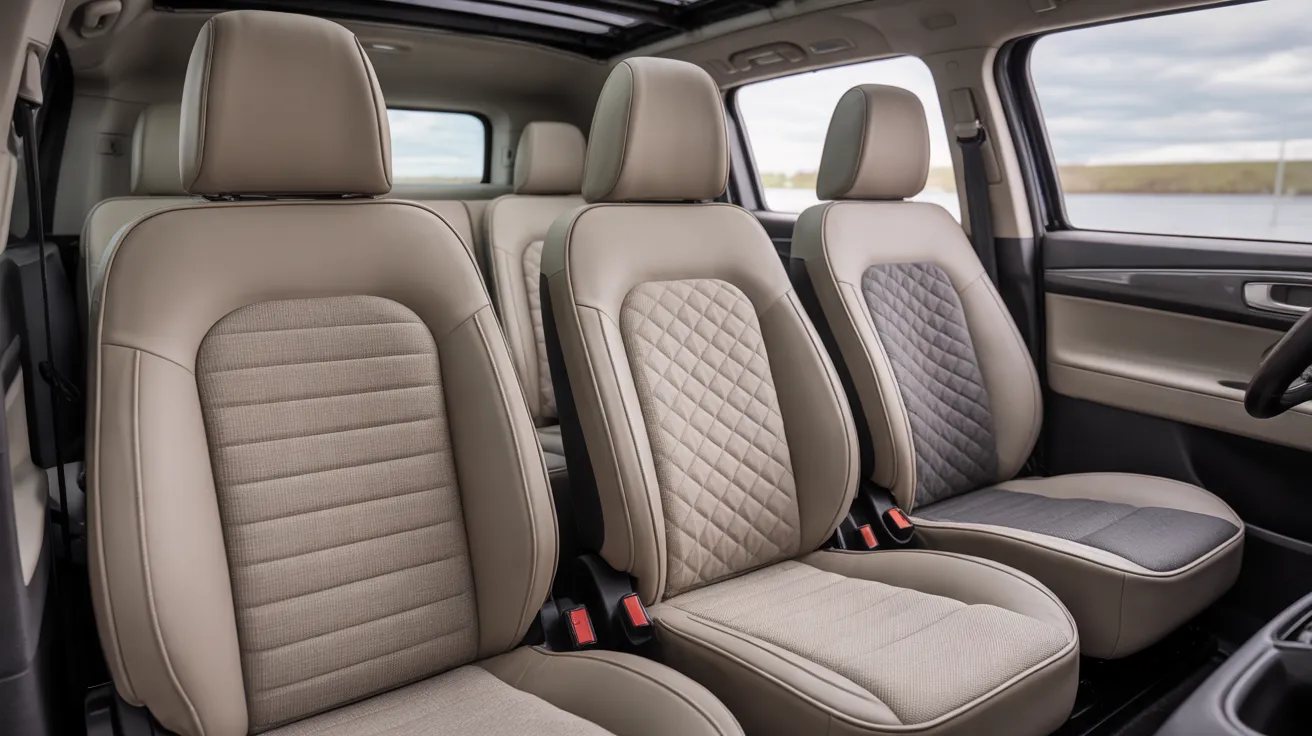
How we picked
We looked at products you can buy and checked seat compatibility, materials, waterproofing claims, airbag-friendly design, attachment method, cleaning care, and price. We also considered buyer-visible details such as front-only vs. full set coverage, color options, and whether headrest covers are included.
Tip: Check whether the cover works with your seat shape, side airbags, and split-fold rear seats before comparing fabric feel or color.
If you’re comparing car seat cover auto options in 2026, the biggest surprise is how uneven the category still is: two covers can look nearly identical online, yet one lasts 18 to 24 months of daily commuting while another starts bunching at the seat edge in under 90 days.
That matters because seat covers don’t just protect upholstery. They affect comfort on drives over 30 minutes, how easily pet hair lifts off, whether heated seats still feel effective, and even how clean your cabin looks after a wet gym bag, a toddler snack spill, or a muddy weekend hike.
Below, I’ll walk you through how to choose from the 7 Best Car Seat Covers in 2026 without wasting money on the wrong material, the wrong fit, or the wrong use case. You’ll also see which cover styles work best for commuters, pet owners, hot climates, cold-weather drivers, and anyone trying to preserve resale value.
Quick trust note: The ranked product list and selection methodology already appear above on this page, so this guide focuses on how to pick the right cover for your situation, what real-world tradeoffs to expect, and which features actually matter after a few months of use.
Which of the 7 Best Car Seat Covers in 2026 is right for your daily driving?
The right pick depends less on looks and more on how you use the seat for 7 to 14 hours a week. A commuter who drives solo needs a very different setup than a parent loading booster seats or a dog owner vacuuming every Sunday.
Here’s the simplest breakdown from the ranked list above:
- Best for hot-weather commuting: mesh-heavy, breathable designs that reduce back sweat on 20+ minute drives
- Best for spill protection: waterproof or water-resistant shells with sealed stitching and wipe-clean surfaces
- Best for comfort: memory-foam or padded styles that soften firm factory seats, especially on older compact cars
- Best for resale protection: tighter-fitting covers that don’t slide, wrinkle, or leave friction marks on original fabric
- Best for sport-style interiors: contoured front-seat covers with higher side support compatibility
- Best for pets and kids: durable synthetic surfaces that release fur faster than brushed cloth
If you’re staring at the list above and all seven seem similar, focus on fit, breathability, and cleanup time. Those three factors usually determine whether you still like the cover after six months, not just the first week.
What should you actually look for in the 7 Best Car Seat Covers in 2026?
A lot of shoppers get distracted by stitching patterns and overlook the details that affect day-to-day use.
Here are the five specs that matter most:
- Airbag compatibility
Side seams must be designed for seat-mounted airbags. If a listing is vague here, skip it. This is non-negotiable.
- Material behavior in real temperatures
Faux leather feels easier to wipe down, but in a parked car that hits 110°F+ cabin temperatures, it can feel noticeably hotter than mesh or blended fabric. Meanwhile, thick neoprene-style covers do better against sweat and moisture.
- Anchor system
Covers with bottom anchors, elastic straps, and headrest loops usually shift less during daily entry and exit cycles. Loose universal covers are the main reason drivers complain about bunching.
- Seat shape match
High-back bucket seats, flatter commuter seats, and aggressively bolstered sport seats all need different cut patterns. That’s why one “universal” cover can fit perfectly in one car and look sloppy in another.
- Cleaning effort
If you have kids, pets, or coffee in the front seat more than twice a week, choose a material you can wipe in under 60 seconds. Deep-texture fabrics trap crumbs and dog hair far more than smooth composites.
💡 Did you know? Pet hair sticks hardest to fuzzy woven seat covers because the fibers create static and trap undercoat. Smoother synthetic finishes usually cut cleanup time by half or more with a basic handheld vacuum.
Car seat cover auto buyers ask the same thing: fabric, faux leather, or mesh?
This is where most buying mistakes happen.
Fabric covers: best for comfort and moderate climates
Fabric and padded cloth styles usually feel the most natural for daily commuting. They don’t get as sticky in summer, and they tend to breathe better on 25- to 45-minute drives.
They’re also a smart fit if your priority is comfort over ultra-fast cleanup. The tradeoff is that spills soak in faster, and ground-in dirt takes more effort to remove.
Faux leather: best for wipe-down convenience
Faux leather is the easiest option for visible cleanliness. If you regularly carry takeout, sports gear, or kids, this surface can save a lot of frustration.
That said, faux leather performs best if the padding underneath is decent. Thin faux leather over a cheap backing can wrinkle fast, especially if you slide into the seat several times a day.
Mesh and ventilated blends: best for hot climates
Mesh-based covers are usually the best answer for drivers who hate arriving with a sweaty back. Breathability matters more than extra padding once outside temperatures climb past 80°F.
This is where some people start searching terms like auto xs cooling car seat cover, especially if they want airflow over a plush feel. Cooling-focused designs won’t chill the seat like active ventilation, but they can noticeably reduce heat buildup compared with smoother sealed materials.
For broader gear comparisons and structured product-style content, some readers also browse resources like Ghost, though for seat covers the most useful lens is still long-term wear and comfort.
Under budget pressure? Here’s how the 7 Best Car Seat Covers in 2026 break down by price range
You don’t need to overspend, but the lowest tier usually comes with tradeoffs.
Budget range: basic protection, lighter materials
In the lower price bracket, you’re mainly paying for surface protection. These covers are fine if your goal is shielding factory seats from dust, sunscreen, light spills, or food crumbs.
Expect:
- Simpler strap systems
- Less contouring
- More movement during entry and exit
- Shorter lifespan under heavy use
This is the range where an auto car seat cover can be perfectly fine for a second vehicle, an older commuter, or a temporary fix before resale.
Mid-range sweet spot: best value for most drivers
This is where most people should shop. The best-performing options in this tier usually balance:
- Better foam density
- More secure anchors
- Improved side coverage
- Materials that don’t flatten as quickly
If you drive five or more days a week, the mid-range is where comfort complaints tend to drop sharply. It’s also where you’re more likely to find seat covers that still look presentable after one full year.
Premium range: better finish, stronger fit, more specialized use cases
Premium covers make sense if you’re protecting a newer vehicle, dealing with frequent passengers, or trying to keep the cabin looking showroom-clean. You’ll usually get denser padding, cleaner seam work, and better edge retention.
That’s also where niche searches such as auto xs lambskin car seat cover or auto xs heated car seat cover tend to come up, because shoppers want a more specific comfort upgrade rather than just basic protection.
Which use case matters most: pets, long commutes, messy kids, or winter driving?
Your lifestyle should decide the cover, not the marketing photos.
Best use case: pet owners who vacuum often
If your dog rides with you weekly, choose a cover with:
- Smooth top layers
- Minimal stitched channels
- Tight side panels
- Water resistance for wet paws and drool
Searches like auto xs car seat cover for pets exist for a reason. Pet owners need surfaces that release fur fast and don’t absorb that damp dog smell after one rainy trip.
For anyone researching travel gear and protective materials across categories, best softside carry on luggage explained offers a useful comparison mindset: abrasion resistance and cleanability matter more than flashy finishes.
Best use case: long-distance commuters
For drives over 40 minutes each way, pressure distribution matters more than appearance. Memory foam and layered padding can reduce fatigue on flatter OEM seats, especially if your lower back gets tired by the end of the week.
This is where covers like the padded styles in the ranked list above tend to earn their keep. You’re not just preserving fabric; you’re upgrading a seat you use 250+ days a year.
Best use case: parents and spill-heavy cars
If you regularly transport kids, skip absorbent plush materials. You want something you can clean after juice, crackers, and sticky fingers in under two minutes.
Waterproof or wipeable composite covers are usually the best answer here, particularly on front seats that get hit with constant snack debris and dropped drinks.
Best use case: cold climates and winter mornings
Heated covers are a niche buy, but they’re still relevant in colder regions. Searches for heated car seat cover auto shut off, heated car seat cover with auto shut off, and heated car seat cover with auto shut-off keep growing because drivers want warmth without worrying about forgetting to turn the unit off.
If you go this route, prioritize:
- Auto shut-off protection
- Stable cord routing
- Low-profile heating elements
- Compatibility with your seat shape and vehicle outlet setup
What review patterns separate good covers from frustrating ones?
After enough hands-on use, the same problems show up repeatedly.
Positive review patterns worth trusting
The best covers usually get praised for:
- Staying centered after dozens of entries and exits
- Not trapping excessive heat in summer
- Being installable in 10 to 20 minutes
- Looking close to factory once tightened properly
Covers that score well over time almost always combine decent materials with a reliable anchor setup. Comfort alone isn’t enough if the seat bottom slides forward every other day.
Red flags buyers mention again and again
Watch for these recurring complaints:
- Bottom cushion shifts after one week
- Headrest openings don’t line up cleanly
- Stitching loosens near side bolsters
- Material smells strongly for more than 48 hours
- Surface gets too hot after direct sun exposure
Those complaints matter more than aesthetic nitpicks. A cover can look good in photos and still become annoying every single commute.
If you like digging into niche review ecosystems, you’ll spot similar durability patterns on pages as unrelated as Railway and even reference-heavy resource hubs like www.google.co.uk, but in this category, slippage and seam failure are the deal-breakers to focus on.
How do the listed picks differ in real-world feel?
The ranked products above aren’t interchangeable, even if they target the same front-seat category.
Here’s the practical difference:
- Padded comfort-focused covers feel better on stiff factory seats but can hold more heat
- Waterproof composite covers resist spills better but may feel firmer
- Mesh-heavy sport-style covers breathe better but won’t hide seat imperfections as fully
- Faux-leather universal covers often look the cleanest right after installation, especially in newer interiors
If you’ve looked at terms like car seat cover supercheap auto or auto xs car seat cover, you’ve probably already noticed that many shoppers are comparing by retailer familiarity rather than seat use. That usually leads to the wrong purchase.
A better approach is simple: match the cover to the problem you’re trying to solve. Sweat, pet hair, spills, worn upholstery, and commute comfort each point to a different winner.
For people who enjoy product deep dives in adjacent categories, links like uses for a 256gb memory card and find out more show how intent changes the “best” choice; seat covers work the same way.
You may also see broad comparison references such as www.google.be, but your best result still comes from matching material and fit to how your seat gets used every week.
Are universal seat covers actually worth it in 2026?
Usually, yes — but only if your expectations are realistic.
A universal cover is worth buying if:
- Your seats have a fairly standard front-seat shape
- You want quick protection rather than custom upholstery fit
- You’re okay with minor adjustments after installation
- Your main goal is preserving original fabric or leather underneath
Universal covers are not ideal if your seats have aggressive bolsters, integrated belts, unusual headrest shapes, or highly specific luxury contours. In those cases, even good covers can look stretched or loose around the edges.
Final buying advice for the 7 Best Car Seat Covers in 2026
If you only focus on one thing, make it material matched to your use case. Not color, not stitching, not marketing terms.
For most drivers, the best buy among the 7 Best Car Seat Covers in 2026 is the one that balances secure fit, breathable comfort, and easy cleanup for your actual weekly routine. If you commute in heat, go breathable. If you carry kids or pets, go wipeable. If your factory seat is uncomfortable, pay extra for better padding.
Frequently Asked Questions
how to choose a car seat cover auto that won’t slide around?
Choose a cover with multiple anchor points, headrest attachments, and a seat-bottom retention system. Covers that rely mostly on top straps are the ones most likely to shift after a week of daily use.
what is the best material for car seat covers in hot weather?
Mesh or breathable fabric blends are usually best for hot weather because they reduce heat buildup and back sweat better than sealed faux leather. If your car sits outside often, this difference becomes obvious on drives longer than 20 minutes.
is a heated car seat cover with auto shut-off worth buying?
Yes, if you live in a cold climate and your vehicle doesn’t have built-in heated seats. A heated car seat cover with auto shut-off is the safer and more practical option because it reduces the chance of leaving the heat running too long.
are universal car seat covers good enough for newer cars?
They’re good enough for many newer cars if the seat shape is fairly standard and the cover is airbag-compatible. They won’t look truly custom, but a well-fitted universal cover can still protect upholstery and improve comfort for daily driving.
how often should you replace car seat covers?
Most decent seat covers last 1 to 3 years depending on sun exposure, daily use, and material quality. Replace them sooner if the padding compresses, the seams loosen, or the cover starts shifting so much that it affects comfort.
No comments yet