How we picked
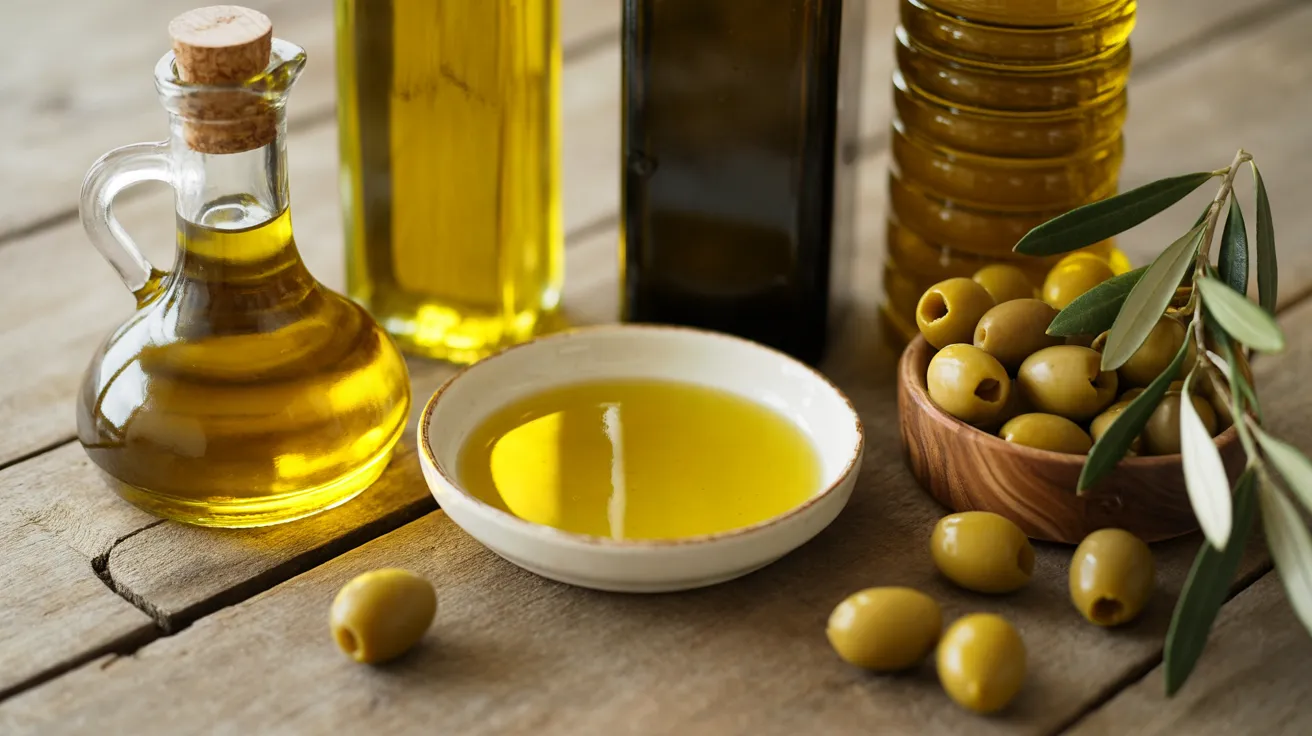
We included widely available olive oils sold by major retailers or direct from producers. We compared label details readers can verify, including extra virgin grade, harvest date, country or region of origin, bottle size, container type, certifications, and price per ounce.
Tip: If two bottles seem similar, choose the one with a recent harvest date and a dark glass or tin container to better protect flavor and freshness.
Olive oil can lose a surprising amount of flavor within 30 to 60 days after opening if you store it badly, and that single detail explains why one bottle tastes peppery and fresh while another turns flat, greasy, or stale. If you’ve ever bought a well-reviewed bottle and wondered why it didn’t taste like the glowing reviews, storage, harvest style, and intended use usually matter more than the label hype.
That’s exactly where this guide to the 7 Best Olive Oil in 2026 helps. The ranked products already appear above, so instead of repeating that list, I’m going deeper into which type of olive oil works for searing, drizzling, dipping, salads, roasting, and everyday cooking, plus the review patterns and buying signals that separate a smart purchase from a mediocre one.
If you’re deciding between a big everyday jug and a smaller premium bottle, or wondering whether extra virgin olive oil is actually worth the upgrade, you’ll get a clear answer here.
7 Best Olive Oil in 2026: which bottle style actually fits your cooking?
The smartest way to shop the 7 Best Olive Oil in 2026 isn’t by chasing the fanciest label. It’s by matching the oil to the job.
For example, Atlas Organic Extra Virgin Olive Oil and other high-polyphenol, first cold-pressed bottles usually make the most sense if you care about flavor in dressings, bread dips, grilled vegetables, or finishing soups. Meanwhile, larger-format options like Pompeian Smooth Extra Virgin Olive Oil or Amazon Fresh, Extra Virgin Olive Oil, First Cold Extracted are often better for households that cook daily and go through oil fast enough to keep it fresh.
Here’s the practical breakdown:
- Best for finishing: high-polyphenol, grassy, peppery oils with a noticeable throat tickle
- Best for everyday sautéing: smoother extra olive oil profiles that won’t dominate eggs, rice, or chicken
- Best for value shoppers: larger bottles in the mid-size to bulk range, especially if you cook 4+ times per week
- Best for beginners: balanced evoo olive oil that tastes mild on its own and doesn’t turn bitter on roasted vegetables
- Best for dipping bread: robust olive extra virgin olive oil with fruity aroma and a pepper finish
If you cook mostly neutral dishes, a “smooth” profile often performs better than an intensely bitter one. If you love salads, burrata, tomatoes, lentils, or grilled fish, stronger evoo extra virgin olive oil tends to feel worth the premium.
What makes the 7 Best Olive Oil in 2026 better than average store bottles?
The best bottles on this year’s list generally share four traits: recent harvest freshness, dark or protective packaging, first cold extraction, and a flavor profile that matches a clear use case. That sounds simple, but it’s where most disappointing purchases go wrong.
A good bottle of extra virgin and virgin olive oil should smell alive, not sleepy. You want notes like cut grass, green almond, tomato leaf, artichoke, or black pepper. If it smells waxy, dusty, or like old nuts, it’s probably already fading.
The difference between plain olive virgin oil and stronger finishing-grade EVOO also shows up on the palate:
- Virgin olive oil or extra virgin: extra virgin has stricter acidity and sensory standards, so it usually tastes fresher and more complex
- Olive oil with extra virgin blends: often milder and more cooking-friendly, but less expressive for dipping or drizzling
- Extra extra virgin olive oil: not an official quality grade, but a marketing phrase sometimes used to signal boldness or premium positioning
That last point matters. “Extra extra virgin” sounds impressive, but it isn’t a recognized legal category. The real signals are harvest information, packaging, extraction method, and taste consistency.
💡 Did you know: Light, heat, and oxygen are the three fastest flavor killers in olive oil. A clear bottle kept next to a stove can degrade noticeably faster than a dark bottle stored in a cool cabinet.
Olive oil or extra virgin: which one should you buy for real-world use?
For most readers comparing the 7 Best Olive Oil in 2026, the real question is olive oil or extra virgin. My direct answer: if you want flavor, freshness, and the best all-around quality, buy extra virgin olive oil first and use regular olive oil only if you need a very mild cooking oil.
That doesn’t mean every task needs your boldest bottle. In my experience, people overspend on premium EVOO and then use it for everything from pan-frying to baking, where the subtle tasting notes can disappear.
Use this shortcut:
- Choose extra virgin oil olive for:
- salad dressings
- dipping bread
- drizzling over beans, pasta, pizza, soup, and grilled vegetables
- finishing fish or roasted meat
- Choose smoother, milder olive oil or extra virgin olive oil for cooking when:
- you’re scrambling eggs
- roasting a sheet pan at moderate heat
- sautéing onions, zucchini, or mushrooms
- baking savory breads or cakes where you don’t want a peppery finish
If you’re already using other specialty oils and comparing pantry staples, readers often cross-shop with guides like official site, but olive oil remains the more versatile kitchen default because it handles both flavor and cooking duty in one bottle.
Best olive oil by budget: what to expect under $20, from $20 to $40, and over $40
Most olive oil buyers don’t shop by producer first. They shop by budget and bottle size.
Here’s what you can realistically expect.
Under $20: best for everyday cooking, not your showpiece drizzle
In this range, you’ll usually find smaller bottles or value-focused supermarket options. These can be perfectly good for cooking with olive oil or extra virgin, especially if the bottle is fresh and you use it within 6 to 8 weeks after opening.
What to expect:
- milder flavor
- less peppery finish
- fewer harvest details on-pack
- better for sautéing than for fancy bread service
This is where options like Amazon Grocery, Italian Extra Virgin Olive Oil can make sense for lighter everyday use if you’re not chasing maximum complexity.
$20 to $40: the sweet spot for most households
This range is often the best balance of flavor, freshness, and bottle size. You’ll find more bottles labeled first cold pressed or first cold extracted, plus more distinct regional character.
For many people, this is where the 7 Best Olive Oil in 2026 becomes genuinely interesting. You’re paying enough to taste the difference, but not so much that using it on weeknight dinners feels wasteful.
Look for:
- dark glass or metal packaging
- harvest or origin details
- tasting notes like grassy, fruity, peppery
- review language mentioning “fresh,” “clean,” or “balanced”
Over $40: best for enthusiasts, gifting, and finishing
This range usually delivers the most character per ounce, especially in high-polyphenol oils or limited harvest lots. The best use is rarely deep everyday cooking; it’s finishing.
If you love strong oil olive extra virgin with a pepper kick, premium bottles can absolutely feel worth it. If you mostly cook mild dishes and rarely taste your oil on its own, you may not notice enough difference to justify the spend.
What to look for before buying olive oil in 2026
If you only check one thing before buying from the 7 Best Olive Oil in 2026, check the package and freshness clues. They predict your result better than marketing words.
Here are the buying criteria that matter most.
1. Look for first cold pressed or first cold extracted wording
That doesn’t guarantee greatness, but it does signal a more careful production standard than vague commodity labeling. Several picks above, including Amazon Fresh, Extra Virgin Olive Oil, First Cold Extracted, make this easy to spot.
2. Prioritize dark glass, tins, or opaque packaging
Clear bottles look nice on a shelf and perform worse in bright kitchens. If your bottle sits near daylight, packaging can affect flavor stability within weeks.
3. Match intensity to the food you cook
A bold lovevoo olive oil-style profile — fruity, grassy, peppery — shines on tomatoes, hummus, lentils, and grilled bread. A smoother oil works better for pancakes, eggs, or simple rice where bitterness can feel intrusive.
4. Buy the size you can finish in 1 to 3 months
A huge bargain bottle isn’t a bargain if the last third tastes tired. For solo cooks, 16 to 34 ounces is often more realistic; for families cooking daily, 2 to 3 liters can work well.
5. Learn the difference between virgin and extra virgin
If you’ve searched virgin olive oil or extra virgin, here’s the practical version: extra virgin is the top grade for flavor and lower defect levels. Virgin oil can still be useful, but it’s typically less vibrant and less complex.
6. Taste it plain once
Pour a teaspoon into a small cup and taste it before cooking. A good olive oil with extra virgin character should show fruitiness first, then bitterness, then a peppery finish in stronger styles.
7 Best Olive Oil in 2026 for salads, roasting, dipping, and high-volume cooking
A bottle can be excellent and still be wrong for your kitchen. That’s why use case matters more than hype.
Best for salads and finishing
Choose oils with assertive flavor and a visible pepper bite. Atlas Organic Extra Virgin Olive Oil and other robust, high-polyphenol picks typically work best here because the oil is a featured ingredient, not background fat.
Best pairings:
- tomatoes and burrata
- white beans
- bitter greens
- grilled fish
- lentil soup
Best for roasting vegetables and sheet-pan dinners
You want balance here, not aggression. Pompeian Smooth Extra Virgin Olive Oil and similarly mild olive virgin oil styles usually coat vegetables well without making broccoli, carrots, or potatoes taste overly sharp.
Best for everyday pan cooking
For weeknight use, consistency beats drama. 365 by Whole Foods Market, Extra Virgin Mediterranean Olive Oil and Amazon Fresh, Extra Virgin Olive Oil, First Cold Extracted fit the role of practical extra olive virgin oil options that can handle eggs, chicken cutlets, sautéed greens, and pasta sauces.
Best for bulk buyers
If your household cooks almost every day, bigger formats like Pompeian Smooth Extra Virgin Olive Oil - 68 fl oz or 101 fl oz can lower the cost per ounce. The catch is simple: only buy large containers if you’ll finish them before oxidation dulls the flavor.
If you enjoy comparing kitchen-buying logic across categories, even unrelated buying guides like Articlegift or this article show the same principle: the best product is usually the one that best matches the actual use case, not the flashiest description.
What reviews consistently reveal about bad olive oil purchases
The most common complaint isn’t “too expensive.” It’s “tastes bland” or “doesn’t taste fresh.”
Across olive oil reviews, the same red flags show up again and again:
- bottles arriving warm after shipping
- oversized containers used too slowly
- mild oils bought by people expecting peppery EVOO
- strong oils bought by people wanting neutral cooking flavor
- clear bottles stored on countertops in direct light
That mismatch explains a huge share of negative reviews. One person’s “beautifully grassy and peppery” is another person’s “too bitter,” which is why reading the intended use matters more than the star rating alone.
Another pattern: buyers often confuse extra virgin and virgin olive oil categories. If you specifically want dipping oil, bread service oil, or finishing oil, plain “olive oil” usually disappoints. If you want low-drama weekday cooking, a very robust harvest may feel too intense.
For more examples of how niche buying guides frame use-case differences, you’ll sometimes see that same decision logic on sites like Topdealsnet, https://devsnull.netlify.app, view page, or link.aixzd.com: fit matters more than marketing.
Is olive oil healthy, and does extra virgin really matter?
Yes — is olive oil healthy is one of the most searched questions for a reason, and the answer is broadly yes, especially when you use it in place of more heavily processed fats. The strongest case is usually for extra virgin olive oil, which retains more natural compounds and a more distinctive flavor because it undergoes less refining.
That said, healthy doesn’t mean magical. Pouring twice as much oil into a pan still doubles the calories, and stale oil won’t taste good no matter how premium it once was.
The practical health takeaway:
- use fresh oil
- store it away from heat and light
- use robust EVOO where flavor matters most
- use smoother bottles for volume cooking so you don’t waste premium oil
The single smartest way to choose from the 7 Best Olive Oil in 2026
If you’re stuck between two good options, pick based on how fast you’ll finish the bottle and whether you want flavor-forward finishing or mild everyday cooking. That one decision prevents most olive oil regret.
For most people, the best buy is a mid-range extra virgin olive oil in a size you can finish within 8 to 12 weeks after opening. If you want one bottle to impress at the table, choose the most robust high-polyphenol option above; if you want one bottle for constant weekday use, choose the smoother, larger-format EVOO that fits your cooking volume.
Frequently Asked Questions
olive oil or extra virgin?
If you want the best flavor and the least processing, extra virgin olive oil is usually the better choice. Regular olive oil is milder and can work well for basic cooking, but it generally has less aroma, less pepperiness, and less character.
virgin olive oil or extra virgin?
Extra virgin is the higher grade because it must meet stricter standards for flavor and defects. Virgin olive oil can still be usable, but if you care about freshness, dipping, dressings, or finishing dishes, extra virgin is usually the better buy.
cook with olive oil or extra virgin?
You can cook with both, but the best choice depends on what you’re making. Use extra virgin olive oil when you want flavor in the finished dish, and use a smoother olive oil for higher-volume or more neutral everyday cooking.
olive oil or extra virgin olive oil for cooking?
For most home kitchens, extra virgin olive oil for cooking is a great default because it gives you both versatility and flavor. If the dish is delicate or you’re using a lot of oil, a milder olive oil may be more practical and cost-effective.
is olive oil good for u?
Yes, olive oil is widely considered a healthy fat, especially when it replaces more processed fats in your diet. Extra virgin olive oil is usually the strongest choice because it keeps more natural flavor compounds and beneficial plant components than more refined oils.


No comments yet