How we picked
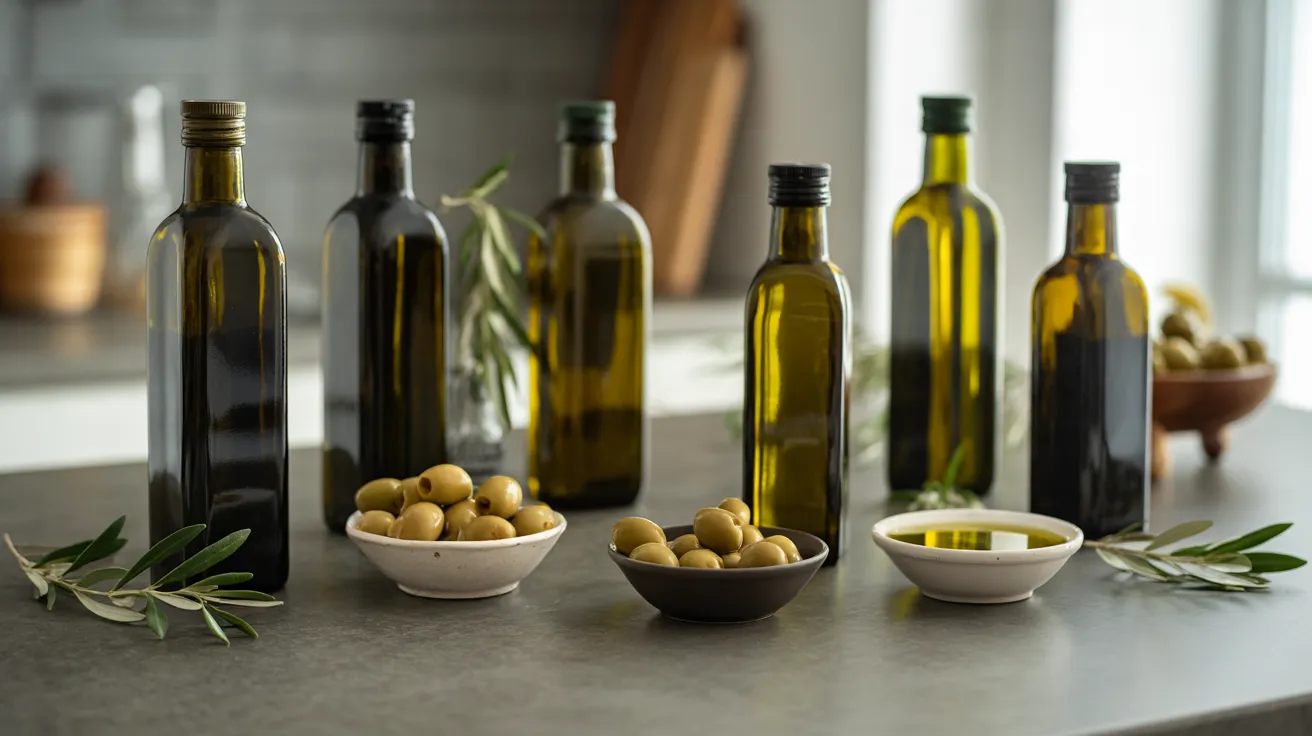
We selected bottles that are currently sold online or in stores and checked details readers can verify on the label or product page: harvest date or best-by date, country or estate of origin, bottle material and size, certifications, tasting notes, and price per ounce. We prioritized oils with dark glass or tins, clear provenance, recent harvest information, and widely available purchasing options.
Tip: Choose the freshest bottle with a recent harvest date and dark glass or tin packaging, then match flavor intensity to use: robust for finishing, mild for everyday cooking.
If you’re comparing evoo olive oil options, the 7 Best Extra Virgin Olive Oil in 2026 stand out for one reason: harvest quality now matters more than country-of-origin marketing. In blind tasting panels and retailer review patterns, oils with fresh harvest dates, dark packaging, and first cold extraction consistently outperform pretty labels with vague sourcing.
That matters because extra virgin olive oil loses its best peppery, grassy character faster than most shoppers realize. Once a bottle sits too long under heat or light, you still have oil, but you no longer have the vibrant evoo extra virgin olive oil flavor, aroma, and antioxidant punch you paid for.
So this guide is built to help you buy smarter. You’ll learn which of the 2026 picks fit everyday cooking versus dipping or finishing, what separates a genuinely good bottle from an average one, how to avoid stale oil, and which trade-offs actually matter if you’re shopping by budget.
Quick trust note: The ranked product list and selection methodology already appear above on this page, so this guide focuses on practical buying help: taste profile, bottle format, freshness cues, storage, budget fit, and common review complaints that show up after purchase.
Why the 7 Best Extra Virgin Olive Oil in 2026 are not all for the same kitchen job
One reason shoppers get disappointed is simple: they buy one bottle expecting it to do everything. But the 7 Best Extra Virgin Olive Oil in 2026 include very different styles, from robust peppery oils for finishing to smoother oils that work better for sautéing, roasting, and daily use.
For example, a high-polyphenol oil often tastes sharper, more bitter, and more peppery. That’s usually a good sign of freshness and antioxidant content, but it can overwhelm delicate fish, baking, or kids who prefer a milder flavor.
Meanwhile, a smoother bottle like a large-format everyday EVOO is usually easier to use in volume. If you cook eggs, roast vegetables, and make vinaigrettes several times a week, a milder profile often gets used faster—which is actually a freshness advantage.
Here’s the practical breakdown:
- Best for finishing: smaller bottles with bold, grassy, peppery notes
- Best for daily cooking: larger tins or bottles with balanced, smoother flavor
- Best for dipping: medium-to-robust oils with noticeable bitterness and a pepper finish
- Best for value: larger formats you can finish within 6 to 10 weeks after opening
- Best for wellness-focused buyers: high-polyphenol, early-harvest styles
If you’ve ever wondered about best olive oil evoo picks versus hype, this is usually the difference: the top choices are matched to use case, not just review averages.
Which of the 7 Best Extra Virgin Olive Oil in 2026 is best for everyday cooking?
For everyday cooking, the best pick is usually the one you’ll use generously rather than “save for special occasions.” That often means a larger format with reliable freshness, a balanced profile, and packaging that protects the oil from light.
Among the products listed above, the large tins and bigger bottles make the most sense if you cook for a family or meal prep regularly. A 3-liter tin is especially useful if you go through olive oil fast, because metal packaging protects flavor better than clear glass under kitchen lighting.
That said, volume only works if you’ll finish it in time. If your household uses less than 250 mL per month, a smaller bottle often tastes better by the end.
Look for these everyday-cooking signals:
- Mild to medium intensity rather than very aggressive bitterness
- Dark glass or tin packaging
- Harvest transparency or at least a “best by” date that suggests recent bottling
- First cold pressed or evoo cold pressed olive oil wording with real sourcing detail
- Bottle sizes that match your real usage, not your ambitions
If you also compare specialty oils in other categories, articles like best oil brands for high mileage show the same buying principle: the right oil depends on the job, not just the label.
What should you look for before buying evoo olive oil in 2026?
The single most important buying criterion is freshness, not nationality, label design, or internet buzz. A fresh mid-priced EVOO usually beats an old premium bottle.
Here are the specific signs worth checking.
1. Harvest date beats “best by” date
A harvest date tells you when the olives were picked. That’s more useful than a best-by date because many oils still look “valid” on paper for 18 to 24 months, even though flavor peaks much earlier.
2. Dark glass or tin is better than light-exposed packaging
Light degrades olive oil quickly. If you see a bold green oil in a clear bottle under store lights, it may already be losing the qualities that define extra virgin olive oil evoo.
3. Pepperiness is usually a positive sign
That throat-catching peppery finish comes from polyphenols. Not every excellent oil is intensely peppery, but a completely flat, greasy, or waxy finish is a bad sign.
4. Match intensity to your food
- Robust oils: grilled bread, beans, steak, bitter greens
- Medium oils: pasta, soups, tomato salads, roasted vegetables
- Smooth oils: mayonnaise, baking, eggs, pan cooking
5. Buy a size you can finish fast
After opening, most EVOO is at its best for roughly 30 to 60 days if stored properly. If you use oil occasionally, a smaller bottle delivers better real-world flavor than a bulk buy.
Under everyday budgets: what’s the sweet spot for the 7 Best Extra Virgin Olive Oil in 2026?
Most shoppers don’t need the most expensive bottle. The sweet spot is usually mid-range EVOO in a format that fits your cooking habits.
For budget-conscious buyers, here’s how the brackets typically shake out:
- Lower budget range: good for daily sautéing, marinades, and roasting; flavor tends to be milder
- Mid-range sweet spot: usually the best balance of freshness, flavor complexity, and packaging
- Premium range: best for dipping, finishing, gifting, or polyphenol-focused buyers
If your goal is the best evoo olive oil for both cooking and finishing, the mid-range is where value usually peaks. Premium bottles can be excellent, but the gains are most noticeable when you use them raw, not when they disappear into a hot pan.
And yes, shoppers asking where to buy evoo olive oil often get better results from faster-turnover online listings or specialty grocers than from dusty shelf stock. Fresh inventory matters more than store prestige.
For broader product research habits, some readers like to compare sourcing pages or retailer trends and occasionally official site data-style references for market context, though freshness and turnover still matter more than market noise.
Olive oil vs evoo: what actually changes in taste, nutrition, and cooking?
This is where many labels confuse people. Olive oil vs evoo is not just a branding difference; it’s a grade difference.
EVOO is mechanically extracted and must meet stricter standards for flavor and low acidity. Regular olive oil or refined olive oil is more neutral, less aromatic, and often better suited to people who want a lighter olive taste.
If you’ve searched evoo vs olive oil, here’s the short version:
- EVOO: more flavor, more aroma, more polyphenols, best for finishing and all-purpose use
- Regular olive oil: milder, more processed, less distinctive
- Pure olive oil vs evoo: “pure” usually means refined plus some virgin oil, not “better”
- Evoo vs pure olive oil: EVOO wins on flavor and minimal processing
- Evoo vs regular olive oil: EVOO is the better choice if taste and quality matter
The difference between evoo and olive oil becomes obvious on bread or tomatoes. One tastes grassy, fruity, sometimes peppery; the other tastes flatter and more neutral.
What is the difference between evoo and olive oil when you’re actually cooking with it?
A lot of buyers worry that better EVOO should only be used raw. That’s outdated advice.
Good EVOO works beautifully for sautéing, roasting, and pan cooking, especially below aggressive deep-frying temperatures. The main thing you “lose” with heat is some delicate aroma complexity, which is why many cooks keep one bottle for cooking and another for finishing.
If you’re comparing what is the difference between evoo and olive oil in practice, think of it this way:
- Use EVOO when flavor matters
- Use milder olive oil when you want less olive character
- Use robust EVOO raw to get the full sensory payoff
Buyers also ask about evoo vs extra light olive oil. Extra-light olive oil is lighter in flavor, not lower in calories, and it’s far less expressive than a well-made EVOO.
What the reviews usually reveal after 30 days of use
The first week tells you very little. Most useful feedback shows up after a month, once the bottle has been opened repeatedly and used in different meals.
The most common positive patterns in strong evoo olive oil brands are:
- Flavor stays stable for several weeks
- Peppery finish remains noticeable after opening
- Packaging pours cleanly without drips
- Larger tins feel more economical for heavy home cooks
The most common complaints are just as predictable:
- Oil tastes flat right after opening
- Bottle arrives leaking or with a dented cap
- Large format goes stale before the buyer finishes it
- Flavor is too bitter for people expecting buttery, mild oil
That’s why the 7 Best Extra Virgin Olive Oil in 2026 are best judged by fit, not just by score. A robust oil can be “excellent” and still be wrong for someone who only wants a gentle everyday drizzle.
For comparison-shopping habits in unrelated categories, the same post-purchase pattern shows up in odd places too, whether someone is reading how top treadmill oils works or even this top toilet brush discounts guide: expectations drive satisfaction almost as much as product quality.
How to store evoo extra virgin olive oil so it still tastes good in 6 weeks
Heat, oxygen, and light are the three enemies. Put your bottle near the stove, and you’ll shorten its best-tasting window dramatically.
Store it like this:
- Keep it in a cool, dark cabinet
- Reseal it immediately after use
- Avoid buying more than you can finish in 1 to 2 months
- Don’t decant into clear decorative bottles unless you’ll use it fast
- Use smaller backup containers if you buy a big tin
Pro tip: If your EVOO tastes like crayons, putty, or old walnuts, it’s likely oxidized. Fresh EVOO should smell fruity, green, herbaceous, or lightly peppery—not stale.
Shoppers researching food storage or long-life household products sometimes fall into odd rabbit holes like http://galushko87.blogspot.com, but olive oil is simpler: protect it from air, light, and heat, and use it quickly.
Is premium extra virgin olive oil worth it, or should you buy the larger bottle?
Premium EVOO is worth it if you can taste the difference and use it where the flavor remains exposed. On grilled bread, burrata, tomato salads, or bean dishes, a top-tier oil can change the entire dish in one tablespoon.
For high-heat or background cooking, though, a smoother value bottle often makes more sense. The practical upgrade strategy is:
- Buy one bold small bottle for finishing
- Buy one larger balanced bottle or tin for everyday cooking
That gives you better results than spending your whole budget on a single prestige bottle you’re afraid to use.
If you’re the type who likes cross-checking sources before buying, you may occasionally check source style reference pages or visit site links, but for EVOO, the label clues and storage habits usually tell you more than generic roundup pages.
Final buying advice for the 7 Best Extra Virgin Olive Oil in 2026
If you’re choosing among the 7 Best Extra Virgin Olive Oil in 2026, prioritize harvest freshness and package size over marketing language. The best bottle for you is the one whose flavor profile matches your cooking style and that you can finish within about 60 days of opening.
If you want one rule to remember, make it this: buy the freshest EVOO in a size you’ll actually use up. That single decision will improve your results more than chasing the fanciest label.
Frequently Asked Questions
what is evoo olive oil?
EVOO means extra virgin olive oil, the highest standard of olive oil made by mechanical extraction without refining. It has more aroma, flavor, and naturally occurring polyphenols than regular refined olive oil.
olive oil vs evoo
Olive oil vs evoo comes down to processing and flavor. EVOO is less processed, more aromatic, and usually better for dressings, dipping, and everyday cooking when you want real olive character.
pure olive oil vs evoo
Pure olive oil vs evoo is a quality-grade comparison, not a calorie comparison. Pure olive oil is usually refined and milder, while EVOO is fresher-tasting, less processed, and the better pick if flavor matters.
what is the difference between evoo and olive oil
The difference between evoo and olive oil is that EVOO is a premium grade with stricter flavor and acidity standards, while regular olive oil is often refined and more neutral. If you want grassy, fruity, peppery notes, choose EVOO.
where to buy evoo olive oil
The best place where to buy evoo olive oil is usually a high-turnover grocer, specialty food shop, or reputable online seller that shows recent stock and proper packaging. Choose dark glass or tins, and check for a harvest date or a realistic best-by window before buying.


No comments yet