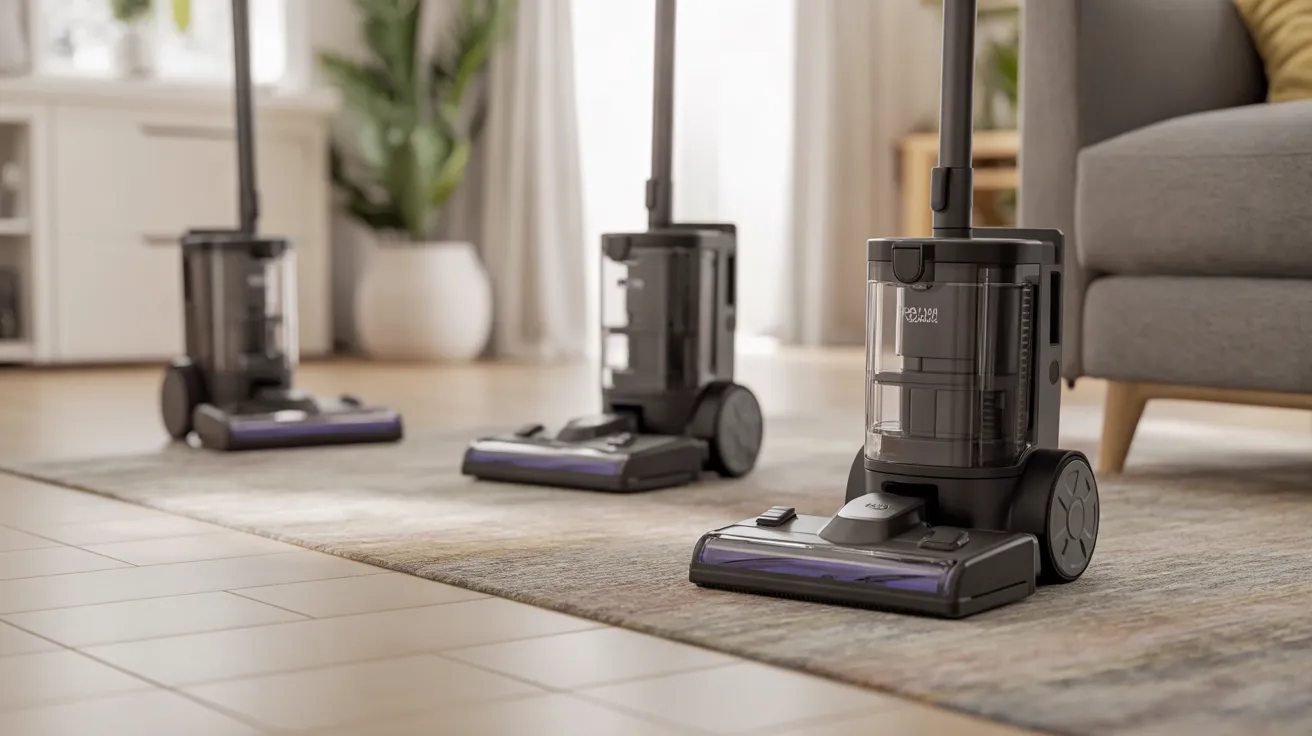
How we picked
We focused on automatic vacuum cleaner models you can currently buy and compared published specs readers can verify, including battery runtime, dustbin size, noise level, dimensions, and list price. We also checked for practical ownership factors such as replacement parts availability, app requirements, mopping features, and support for scheduled cleaning and home mapping.
Tip: If your home has lots of rugs or pet hair, prioritize stronger suction, a larger dustbin, and easy-to-remove brush rolls over extra smart features.
The automatic vacuum cleaner category has changed fast: in 2026, the gap between a robot that just bumps around randomly and one that actually maps your home, avoids cords, and handles pet hair can be the difference between using it daily or shoving it into a closet after a week.
That’s why the 7 Best Automatic Vacuum Cleaners in 2026 aren’t just about suction numbers. In real homes, the winners are the models that finish a cleaning cycle without tangling on charging cables, smearing wet paw prints across hardwood, or getting stranded under a low sofa with 12% battery left.
If you’re comparing the best automatic vacuum cleaner, wondering whether an automatic vacuum cleaner and mop is worth it, or trying to figure out which model actually works for carpet, pets, and mixed flooring, this guide is built to help you make the right call faster.
Quick trust note: The ranked product list and selection criteria already appear above on this page. So instead of repeating that ranking, this guide focuses on the part buyers usually struggle with most: which of those seven picks fits your floor type, pet situation, budget range, and maintenance tolerance.
Which of the 7 Best Automatic Vacuum Cleaners in 2026 is right for your home?
If you skim just one section, make it this one. The biggest mistake people make with the 7 Best Automatic Vacuum Cleaners in 2026 is assuming the “strongest” model is automatically the best fit.
Here’s the short version:
- Best for pet-heavy homes: the higher-suction self-emptying models in the list above, especially the units rated for 6,000Pa to 15,000Pa claimed suction
- Best for smaller apartments: the simpler low-profile options with 120-minute runtime and fewer maintenance parts
- Best for busy families: the self-empty dock models that can go 60 to 90 days between bin emptying
- Best for mixed hard floor + light mopping: combo units marketed as automatic vacuum cleaner and mop
- Best for thick rugs and high-traffic carpet: the models with stronger carpet boost and more aggressive debris pickup
- Best cheap automatic vacuum cleaner option: the entry-level units with remote control, basic scheduling, and decent tangle resistance
A definitive takeaway: the best automatic vacuum cleaner for most people is not the most expensive one—it’s the model that matches your floor plan and mess type with the least weekly upkeep.
What actually separates the 7 Best Automatic Vacuum Cleaners in 2026 from older robot vacuums?
Three features matter more than the marketing copy.
1. Navigation quality matters more than raw suction
A robot that cleans in straight, repeatable rows usually beats a stronger robot that wanders randomly. In homes over 800 to 1,200 square feet, structured mapping often saves 15 to 30 minutes per full clean and reduces missed edges.
That’s why the top rated automatic vacuum cleaner models now lean heavily on smart mapping, room zoning, and no-go lines. If you have chair legs, pet bowls, or kids’ charging cables on the floor, better navigation is worth more than a flashy suction claim.
2. Self-emptying docks change the ownership experience
If you hate maintenance, this is the feature that matters most. A self-emptying dock can cut your hands-on cleanup from every 1 to 3 runs to once every several weeks or even 60–90 days, depending on pets and home size.
For many buyers, that’s the dividing line between “used twice and forgotten” and “runs on schedule every day.”
3. Mop combos help most on dust and light grime, not deep scrubbing
An automatic vacuum cleaner and mop can absolutely improve daily floor appearance. But combo robots are best at handling fine dust, kitchen crumbs, and light footprints—not dried syrup, muddy entryways, or sticky spills that need pressure.
If your home has mostly hard floors, a combo model makes sense. If you expect it to replace a manual mop, you’ll probably be disappointed.
What should you look for before buying an automatic vacuum cleaner in 2026?
Here are the five criteria that actually predict satisfaction.
1. Runtime matched to your square footage
A small apartment may only need 90 to 120 minutes of runtime. A larger single-floor home benefits from 150 minutes or more, especially if the robot mops and vacuums in one session.
If the battery is undersized for your home, the robot may need recharge-and-resume cycles too often, stretching a job that should take 70 minutes into a 2-hour stop-start process.
2. Real pet-hair handling, not just pet-friendly labeling
The best automatic vacuum cleaner for pet hair needs three things: strong pickup on rugs, a brush design that resists wrapping, and a bin or dock large enough to avoid clogging after one run.
Look closely at the pet use case. An automatic vacuum cleaner for pet hair that works fine for one short-haired cat may struggle badly in a home with two shedding dogs and carpeted stairs nearby.
3. Obstacle avoidance that handles cords and socks
In 2026, decent obstacle avoidance shouldn’t be optional on premium models. The difference is obvious in daily use: better robots avoid USB cables, shoelaces, and pet toys instead of eating them.
That’s especially true if your home never looks “showroom clean” before each run. Most real homes don’t.
4. Self-emptying capacity if you run it daily
If you vacuum every day, especially with pets, dock capacity matters. Self-emptying models are usually worth the premium once your debris load includes fur, litter granules, and rug fuzz.
This is where many automatic vacuum cleaner reviews diverge: people love the convenience at first, then complain later if the dock is loud, messy, or expensive to maintain. Read for long-term ownership details, not just first impressions.
5. App controls that solve real problems
The app should let you do specific things fast:
- Start one room only
- Raise suction on carpet
- Set no-mop zones around rugs
- Schedule cleaning when the house is empty
- Check where the robot got stuck
If an app can’t do at least four of those reliably, the robot will feel older than it is.
Best use cases by budget: where each type of automatic vacuum cleaner makes sense
You don’t need exact prices to shop smart. You need the right bracket.
Entry range: best for basic daily dust pickup
This is where the cheap automatic vacuum cleaner category lives. Expect remote control or simple app scheduling, decent hard-floor cleanup, and fewer advanced sensors.
Best for:
- Studios and one-bedroom apartments
- Low-pile rugs
- People who want hands-off crumb control
- Buyers upgrading from a stick vacuum routine
Usually not ideal for:
- Heavy shedding pets
- Thick carpet
- Complex layouts with lots of cords and furniture legs
The smaller entry-level models can still be a smart buy if your biggest issue is daily dust, not deep extraction.
Mid-range sweet spot: best balance of mapping, suction, and convenience
This is where most people should shop. The best value often comes from robots with app mapping, room selection, decent carpet lift, and combo vacuum/mop features.
If you’re reading a review automatic vacuum cleaner roundup and seeing consistent praise for navigation plus few complaints about missed zones, that’s often your signal that the mid-tier option is the safest purchase.
Premium range: best for pets, carpet, and minimal maintenance
Premium models earn their keep in homes with:
- Multiple rooms
- Rugs plus hard floors
- Daily pet hair
- High debris volume
- People who want the least manual emptying possible
The best premium pick in the 7 Best Automatic Vacuum Cleaners in 2026 is usually the one you barely have to think about. Schedule it, maintain the brushes, replace consumables on time, and let it work.
What do reviews automatic vacuum cleaner buyers leave most often?
Patterns show up fast once you read enough owner feedback.
Positive review patterns
The strongest automatic vacuum cleaner review trends usually mention:
- Noticeably cleaner floors within the first week
- Less visible pet hair on baseboards and under beds
- Better dust control in kitchens and entryways
- Consistent room-by-room cleaning after map setup
Owners also tend to rate self-emptying models higher after 30 to 60 days, not just on day one, because the convenience keeps paying off.
Negative review patterns
The most common complaints are surprisingly predictable:
- Hair wrap on the main brush after 3 to 7 runs
- Water tanks that are too small for large homes
- Robots getting trapped under low furniture
- Mapping errors after moving chairs or floor lamps
- Loud docks during empty cycles
That’s why reading long-term feedback matters more than headline star ratings. If you want another angle on ownership issues and maintenance habits, you can browse full article discussions and compare them with retailer reviews.
Is an automatic vacuum cleaner and mop better than vacuum-only?
For the right home, yes.
If your floors are mostly laminate, tile, vinyl, or sealed hardwood, an automatic vacuum cleaner and mop can reduce visible dust by a lot between deeper weekly cleans. The best results usually come from running vacuum-only in the morning and mop mode later, rather than asking one pass to solve everything.
For carpet-heavy homes, vacuum-first performance matters much more. Mopping becomes a bonus, not the deciding factor.
A good rule: if more than 60% of your floors are hard surfaces, a combo model is usually worth considering. If more than 60% is carpet, prioritize vacuum performance and brush design first.
How do the listed models compare for pets, carpets, and apartments?
Here’s the practical breakdown based on the types of models listed above.
Best fit for pet owners
If pet hair is your main problem, focus on the stronger self-emptying units and the model specifically marketed for pet-hair pickup. The best automatic vacuum cleaner for pet hair is usually the one with high suction, fewer tangles, and a dock that won’t need constant babysitting.
This is also where searches like automatic vacuum cleaner roomba and automatic vacuum cleaner dyson show buyer intent, even if shoppers often end up choosing another model after comparing maintenance and features.
Best fit for carpeted homes
For carpet, the priority order should be:
- Carpet boost
- Main brush agitation
- Dirt-bin or dock capacity
- Runtime
- Edge cleaning
A robot that aces hard floors may still underperform on medium-pile carpet. Look for repeat owner comments about debris left behind after the first pass.
Best fit for apartments and smaller homes
Apartments benefit most from quieter operation, lower height, and simple controls. A robot with 120-minute runtime is often more than enough for 500 to 900 square feet, and you may not need a bulky self-empty dock.
If you’re comparing compact cleaning tools beyond floor robots, this best keyboard vacuum value resource gives useful context on how specialty vacuums differ from full-floor automation.
What problems show up after 30 days, and how do you fix them?
This is the part most buyers wish they knew earlier.
Suction drops faster than expected
Usually, the issue isn’t motor failure. It’s clogged filters, packed dust channels, side-brush tangles, or hair wrapped around the roller ends.
If your robot suddenly leaves crumbs behind, clean the filter first, then inspect the brush chamber. For a related maintenance walkthrough, see Pages, which explains suction-loss patterns that also apply to many floor-cleaning machines.
Mopping gets streaky
This usually happens when:
- The pad is too dirty
- The water flow is too low or too high
- The floor had greasy residue before robot use
Run a manual reset clean first, then let the robot maintain the floor afterward. Combo robots maintain cleanliness better than they restore neglected floors.
Mapping becomes unreliable
If the robot starts missing rooms, try:
- Cleaning the sensors
- Rebuilding the map after moving large furniture
- Improving lighting for visual navigation systems
- Removing mirrors or reflective clutter near navigation paths
One map reset can solve weeks of annoying pathing behavior.
Pro tip: If a robot gets stuck in the same place twice in one week, don’t just rescue it—create a no-go zone. Repeated rescues train you to distrust the machine, and once that happens, usage drops fast.
Are premium robot vacuums worth it in 2026?
For some homes, absolutely. For others, not even close.
Premium models are worth it if you have:
- Two or more shedding pets
- A mix of rugs and hard floors
- More than 1,200 square feet
- A strong dislike of bin emptying and brush cleaning
- A schedule that benefits from daily automated cleaning
They’re usually not worth it if your home is small, cluttered, and mostly cleaned manually already. In that case, a simpler robot can deliver 70% to 80% of the day-to-day convenience for far less.
The same “buy for workload, not hype” principle shows up in adjacent categories too, whether you’re reading https://techfi.writeas.com for portable cleanup or comparing an automatic pool cleaner vacuum for outdoor maintenance. Higher-end cleaning machines only justify themselves when the mess volume is consistently high.
And yes, the same logic applies if you’re debating pool cleaner investment decisions or browsing unrelated buying guides through www.google.ca: the best product is the one that solves your actual recurring problem with the least friction.
Final buying advice for the 7 Best Automatic Vacuum Cleaners in 2026
Among the 7 Best Automatic Vacuum Cleaners in 2026, the single most important decision is this: buy for your mess pattern, not the spec sheet.
If you have pets, prioritize self-emptying and anti-tangle performance. If you have mostly hard floors, an automatic vacuum cleaner and mop makes sense. If you live in a smaller apartment, don’t overpay for advanced features you won’t use. The right pick is the robot you’ll trust enough to schedule every day.
Frequently Asked Questions
what is the best automatic vacuum cleaner
The best automatic vacuum cleaner is the one that matches your home’s flooring, debris type, and maintenance tolerance. For most buyers in 2026, that means a mapped robot with reliable obstacle avoidance, strong pet-hair pickup, and a self-empty dock if you run it daily.
which is the best automatic vacuum cleaner
Which is the best automatic vacuum cleaner depends on whether you need pet-hair performance, carpet cleaning, or mopping. In general, the best-rated options are the models from the list above that combine structured navigation, strong suction, and low-maintenance docking.
which automatic vacuum cleaner is best
The automatic vacuum cleaner best suited for you is usually not the most expensive one. If your home is under 900 square feet and mostly hard floors, a mid-range combo robot often gives better value than a premium carpet-focused machine.
how to make a automatic vacuum cleaner
If you’re asking how to make a automatic vacuum cleaner, most DIY builds use a small motor, wheels, a dust chamber, battery power, and basic obstacle sensors. That said, a homemade unit rarely matches the mapping, suction control, or safety systems of a commercial robot vacuum.
is an automatic vacuum cleaner worth buying for pet hair and carpets
Yes, an automatic vacuum cleaner for pet hair can be worth it if you choose a model with strong suction, anti-tangle brush design, and enough bin capacity for daily shedding. On carpets, the biggest performance difference comes from brush agitation and carpet boost—not just the highest advertised suction number.
No comments yet